

Summer is the season that exposes every weak habit on a moss roof, from skipped watering to ignored edges. If you want full coverage in August, you have to treat moss green roof maintenance summer like a weekly practice, not a rescue mission.
Moss is tough, but it plays by different rules than sedums or turf. It can dry down hard, pause growth, then wake up fast, but only if the roof setup and your timing make that possible.
Heat waves are when small problems become bare patches, especially on thin substrates and sunny parapets. The goal is simple, keep the moss alive through the hottest stretches and set it up for heat stress recovery when nights cool down.
What heat waves do to moss (and what recovery looks like)
During a heat wave, moss loses water faster than it can replace it, and the plant shuts down to avoid damage. That shutdown looks like moss desiccation, where the surface goes dull, grayish, or crispy even if the colony is still alive underneath.
Heat plus direct sun can also bleach the upper tips, especially on south and west exposures. If the roof membrane reflects heat upward, the moss can get cooked from below and above at the same time.
Recovery is not instant greening after one splash, and that is where people get impatient and overwater. A healthy rebound usually shows up as even rehydration after a cool evening soak, followed by a return of springy texture within a day.
Watch for patchy rehydration, where some areas green up and others stay flat and lifeless. That pattern often points to compression, poor contact with the substrate, or a spot where water runs off before it can soak in.
If you see blackened tips or a sour smell under a mat, that is not normal summer dormancy. That is a sign you crossed into rot territory, and heat stress recovery will require drying cycles and better airflow, not more water.

A summer inspection routine you can follow weekly
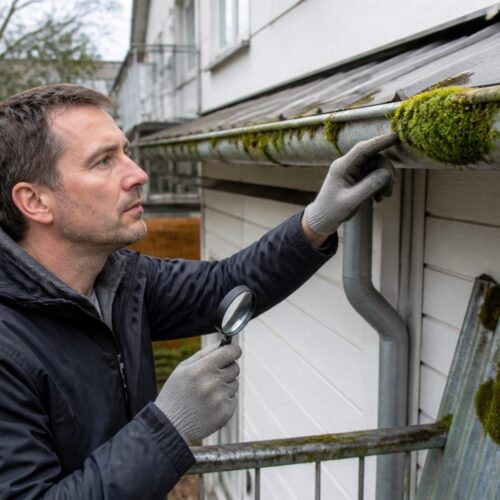
A weekly walk is the cheapest tool you have, because you catch problems while they are still hand sized. Pick one morning each week, bring a phone camera, and take the same route so your comparisons mean something.
Start with the edges, drains, and any roof penetrations because those zones fail first. Then scan the open field for color changes, lifted corners, and footprints that never seem to fluff back up.
Use your hands, not just your eyes, because moss can look fine and still be detached. Press lightly and feel for springy contact, since a hollow feel usually means the mat has bridged and is drying out between waterings.
Keep a simple roof inspection checklist in your notes app and stick to it even when you are busy. Consistency beats perfection, and you will spot patterns like recurring dry strips near HVAC exhaust or reflectors.
Photograph the same five or six reference points every week, including at least one edge and one drain. Those photos become your evidence when you decide whether your moss green roof maintenance summer plan is working or just keeping you occupied.
Watering strategy during extreme heat without waste
In extreme heat, watering is about timing and penetration, not volume dumped at noon. The best use of water is a slow soak in the early morning or after sunset, when evaporation drops and the moss can rehydrate evenly.
A quick mist can green things up for an hour and still leave the colony dry underneath, which is a trap. If you water, commit to a soak that reaches the substrate, then let it dry down again so the roof does not stay swampy.
| Heat condition | Watering timing | What to look for next day |
|---|---|---|
| 90 to 95 F, breezy | Early morning soak, 10 to 20 minutes per zone | Even greening, springy texture by midday |
| 95 to 105 F, full sun | After sunset soak, repeat short soak at dawn if needed | No crispy tips, no hollow spots under mats |
| Heat wave with warm nights | Short evening soak only, avoid constant wetness | No sour smell, no slimy film under edges |
| Post heat wave cooldown | One deep soak, then pause and observe | New green points, improved attachment, fewer pale patches |
Managing sun exposure: temporary shade and reflective options
Sun is not the enemy, but unbroken afternoon sun on a thin roof build is brutal. If you see repeated bleaching in the same zone, treat it like a design problem you can patch temporarily.
Temporary shade cloth on a simple frame can buy you a week of survival during a heat spike. I prefer a breathable cloth that cuts light, because a solid tarp traps heat and makes the roof hotter.
Reflective options can help when the heat is coming off metal flashing, white walls, or shiny parapets. A removable matte screen, even a piece of exterior fabric stretched on standoffs, can stop that reflected beam from roasting a strip of moss.
If you use shade, keep it off the moss surface so air can move underneath. Direct contact creates damp pockets that invite algae films and make heat stress recovery slower.
Longer term, note where shade would help and consider small architectural tweaks like a higher parapet cap or a non reflective guardrail panel. Those changes beat fighting the same sun stripe every July with a hose in your hand.
Wind and edge effects: protecting the most vulnerable zones
Wind strips moisture from moss faster than temperature alone, and edges take the hit first. The classic symptom is a healthy center with a thin, crunchy border that keeps widening each summer.
Edges also dry because water runs away from them, especially on roofs with subtle slopes. If your irrigation pattern misses the last foot, you will chase bare rims all season.
Use a heavier watering pass at the perimeter, but do it in shorter cycles so it actually soaks in instead of sheeting off. If you can, add a simple wind baffle like an open mesh screen on the windiest side.
Check edge restraints, because loose metal edging can lift mats and create a drying gap. A tiny lift becomes a constant airflow channel, and moss desiccation will show up there before you notice anywhere else.
If the roof has gravel borders, keep them clean and level so they do not spill into the moss during storms. Gravel that migrates into the moss acts like sandpaper underfoot and also creates hot, dry micro spots.
Foot traffic and compression: preventing thin spots
Moss hates being mashed, and summer makes that damage show up fast because compressed areas rehydrate unevenly. A single maintenance visit can leave a trail of thin spots that look like drought stress but behave differently.
Set a clear access path with pavers, stepping stones, or temporary boards, and enforce it with anyone who comes up to service equipment. If you do not control traffic, your moss green roof maintenance summer plan turns into constant patching.
Compression also happens when people store tools or buckets on the roof, even for an hour. The moss under that load loses contact and can peel up later when it dries and shrinks.
When you inspect, look for shoe tread patterns, flattened sheen, and areas that stay darker because water pools in the compressed fibers. Those spots often need a gentle lift and re seating, not extra irrigation.
If you must work on the roof in heat, do it early and keep the work time short. Hot moss is brittle moss, and it tears instead of flexing when you shift your weight.
Dealing with weeds and volunteer plants without chemicals
Weeds love the same summer watering you give moss, and they can root right through thin mats. If you pull them early, you keep the roof from turning into a seed factory by late summer.
Skip herbicides on moss roofs, because drift and residue can set you back for months. Hand pulling works, but you have to do it carefully so you do not rip up a whole sheet of moss with one stubborn root.
- Pull seedlings after a light soak
- Twist roots out with narrow pliers
- Bag seed heads before moving them
- Brush loose soil back into place
- Top dress tiny craters with matching substrate
- Log repeat offenders by location
Spot repairs: reattaching mats and filling gaps
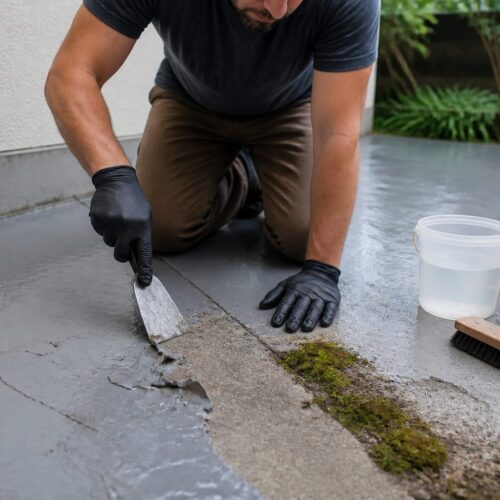
Summer is not my favorite season for big installs, but spot repairs are worth doing when you catch them early. A gap the size of a dinner plate can double in a month if wind gets under the edge.
For lifted mats, rehydrate first so the moss flexes instead of cracking. Then press it back into contact with the substrate, because contact is what keeps it from drying into a curled chip.
If the substrate has eroded, add a thin layer of the same mix the roof uses, not random potting soil. Potting soil holds too much water, grows algae, and invites weeds, which is the opposite of what you want during heat stress recovery.
Use small pins, biodegradable netting, or a light mesh only where wind is actively lifting edges. Do not over fasten, because you can create stress points that tear when the mat shrinks during moss desiccation cycles.
For bare gaps, patch with small donor pieces that match the roof species and texture, then water them in with a gentle soak. I avoid sprinkling loose fragments in midsummer, because they blow away before they attach unless you baby them.
After-storm checks: drainage, debris, and washouts
Summer storms can be weird, five minutes of wind, then an inch of rain, then blazing sun. That combination can lift edges, clog drains, and leave silt streaks that smother moss in low spots.
Check drains the same day if you can, because standing water on a moss roof is trouble. If water sits overnight in heat, you can get anaerobic smells and dark slime under mats.
Remove branches, seed pods, and trash by hand, and do not rake aggressively. Raking pulls up moss tips and creates the same thin tracks that foot traffic does.
Look for washouts where water made a channel and carried substrate away. Those channels dry out fast after the storm, so they often show up as pale lines a day later.
If you see sediment deposits, gently brush them off once the surface is damp, then do a light rinse to clear pores. A heavy spray can peel up colonies, so keep the nozzle soft and close to the surface.
Planning improvements for next season based on your notes
Your notes are where the real value is, because memory lies once the weather changes. If you tracked where bleaching, lifting, and repeated dry down happened, you can fix causes instead of repeating the same summer scramble.
Start by mapping hot spots and matching them to roof features like reflective walls, exhaust vents, and parapet corners. Then decide which fixes are operational, like adjusting watering zones, and which are physical, like adding wind screens or changing edging.
If your roof needed constant watering to stay green, consider whether the substrate depth or water holding layer is too thin for your climate. A small increase in moisture retention can reduce water use more than any fancy timer setting.
Review your roof inspection checklist and tighten it where you missed early warnings. I like to add one quick test each week, like checking a suspicious mat edge for hollow contact, because it keeps you honest.
Plan your bigger repairs for the shoulder seasons when temperatures are kinder and the moss can attach without constant stress. Summer is for keeping coverage alive, while spring and fall are when you rebuild density and make the roof look even again.
Conclusion
Good moss green roof maintenance summer is mostly small, repeated actions done on schedule, with a bias toward edges, drains, and traffic paths. Heat waves will still rough up the surface, but you can prevent most permanent losses by catching lift, compression, and runoff early.
When you see moss desiccation, treat it like a pause button, not an automatic failure, and focus on steady rehydration and airflow. If you keep notes, your heat stress recovery gets easier every year because you stop guessing and start fixing the same trouble spots for good.