
Drought can make a moss patch look like it got nuked, but most of the time it is simply waiting you out. The trick is to treat recovery like rehab, not a rescue sprint, because rushing water and sun back in can do more harm than the drought did.
Urban moss grows in tight little microclimates on brick, concrete, soil crust, and shallow substrates that dry fast. When those spots bake, moss shifts into moss dormancy, and your job is to guide it back with steady rehydration and a bit of repair work.
This plan lays out moss drought recovery steps you can follow without guessing, starting with diagnosis and ending with prevention. I am opinionated about one thing, slow rewetting and good contact beat fancy products every time.
Dormant vs. dead: how to tell the difference
Start by assuming the moss is dormant, because many common urban species can dry to a crisp and still come back. True death usually shows up after repeated drought cycles, heat stress, or physical separation from the substrate.
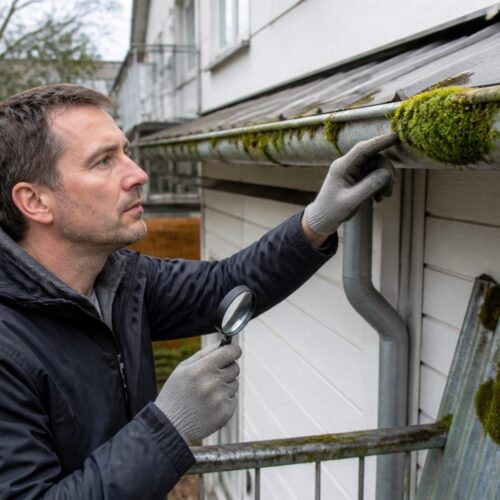
Look closely at the tips with a hand lens or your phone camera zoomed in, because the tips tell the story faster than the middle. Dormant shoots often look folded and dull, while dead shoots look shredded, gray, and powdery when you touch them.
Do a small rehydration test on a thumbnail sized area before you soak everything. Mist it lightly, wait 20 minutes, then check if the leaves start to loosen and show any green along the stem.
Smell is another blunt but useful clue, especially on thicker mats. Dormant moss smells like soil or stone after rain, while dead and decomposing moss can smell sour or swampy once it gets wet.
Also check attachment, because moss that is alive but detached will fail anyway. If the mat slides like a carpet, you are dealing with a contact problem that needs patch repair, not just water.
First 24 hours: safe rehydration without shock
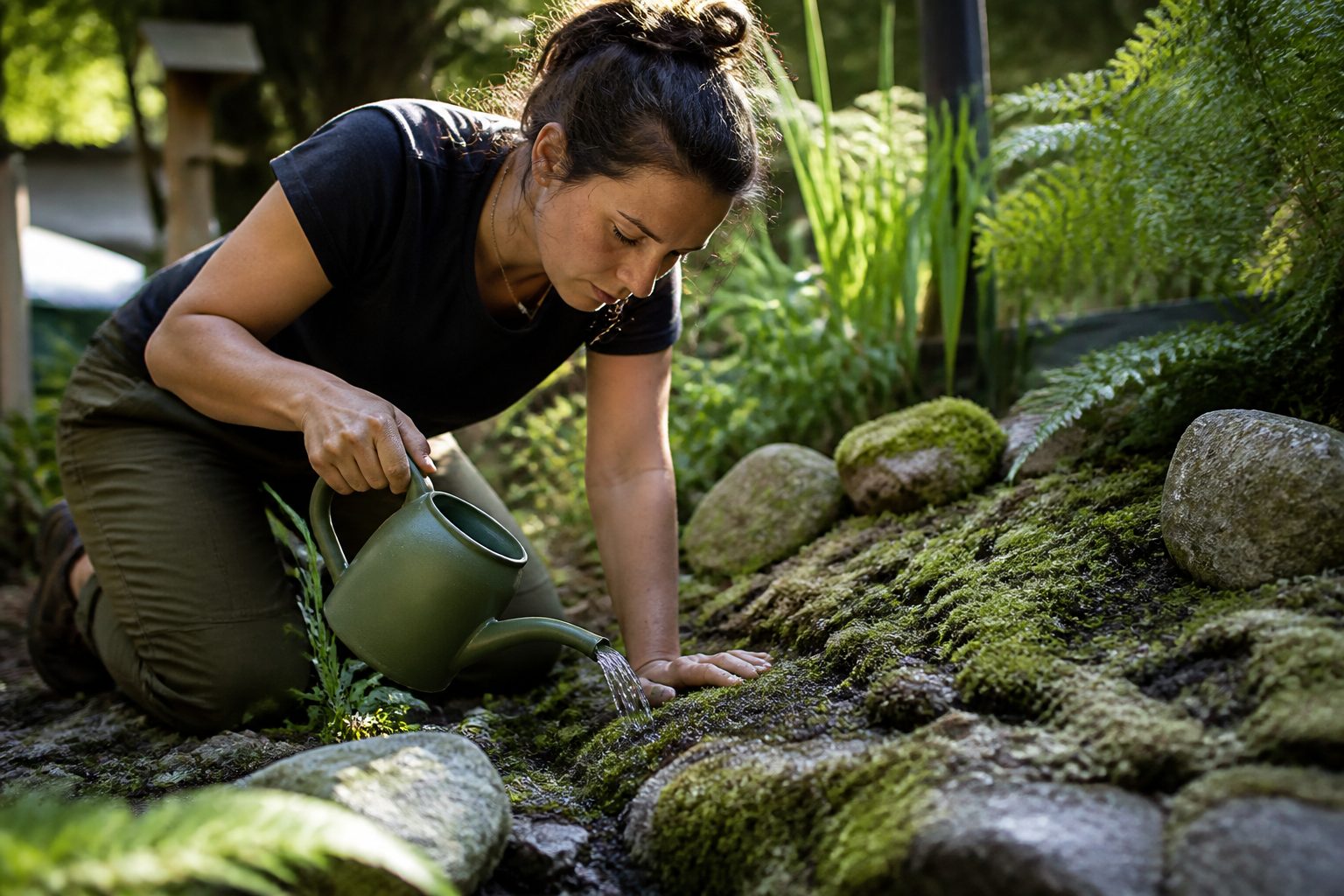
The first day is about controlled rehydration, not flooding, and that is where most people mess up. A hard soak can trap heat, float the mat, and wash away the fine particles moss uses to grip.
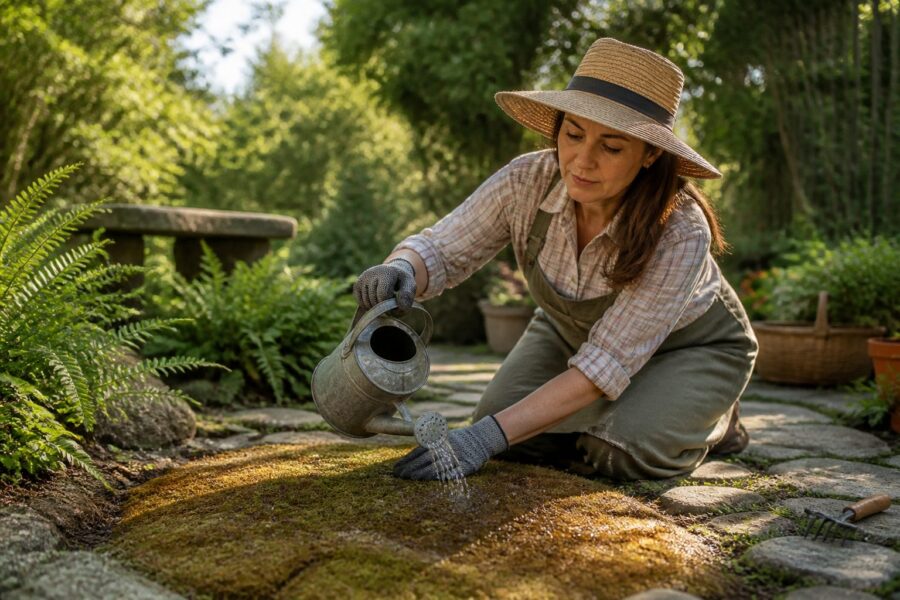
Use a clean spray bottle set to a fine mist, and wet the surface until it darkens evenly. Stop before water beads and runs, because runoff usually means the moss and substrate are still hydrophobic from drought.
Repeat short misting sessions every 30 to 60 minutes for a few cycles if the area is badly dried. This staged approach lets capillary spaces reopen so the next mist actually penetrates.
Keep the patch shaded during this first rewetting window, even if it normally gets sun. Wet moss under strong sun can heat fast, and that temperature spike can stall recovery more than a missed watering.
If you are working on a wall or roof edge, block wind for the day with cardboard or a temporary screen. Wind strips moisture from the leaf surface, and surface moisture is the whole point of the first 24 hours.
The first week: stabilizing moisture and light
Week one is where moss either settles back into growth or keeps cycling through moss dormancy. You want a predictable moisture pattern, and you want light that is bright but not punishing.
Think in terms of damp pulses rather than constant wetness, because stagnant water invites slime and algae. A good rhythm is misting once or twice a day, then letting the surface approach dry by the next session.
| Day | Moisture target | Light target |
|---|---|---|
| 1 | Multiple light mists, no runoff | Full shade or deep dapple |
| 2 to 3 | 1 to 2 mists per day, even darkening | Bright shade, avoid midday sun |
| 4 to 5 | Daily mist, allow partial dry between | Morning sun only, 1 to 2 hours max |
| 6 to 7 | Mist as needed, watch edges first | Normal exposure if temps stay mild |
Fixing the root cause: wind, sun, and substrate issues
If you only rehydrate, you are treating the symptom and setting yourself up for a repeat. Drought damage usually comes from a change in wind exposure, a new sun angle, or a substrate that stopped holding a thin film of water.
Wind is the silent killer on balconies and roof decks, because it dries moss even when the air feels humid. Add a low barrier like a planter box, lattice, or even a row of potted grasses to slow airflow across the patch.
Sun problems often show up after pruning, construction, or seasonal shifts that add an extra hour of direct light. If the patch gets harsh afternoon sun, move shade cloth overhead or use a removable screen during heat waves.
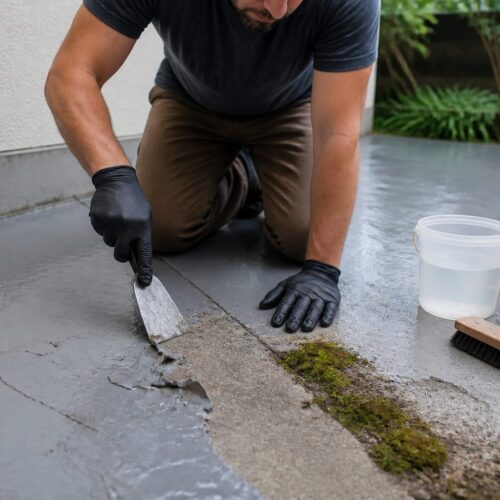
Substrate problems are common on compacted soil, old mortar, and dusty concrete that turned slick. Scrub gently with a soft brush to remove loose grit, then rinse lightly so the moss can sit on a stable surface.
If the substrate is too smooth, moss cannot anchor, and rehydration just makes it slide around. In those spots, roughen the surface with a stiff nylon brush or add a thin gritty top layer later, but do not bury the moss.
Reattaching loose moss and improving contact
Loose edges and lifted mats are where recovery fails, because the underside dries first and never rewets evenly. Good contact is the boring fix that makes the biggest difference in moss drought recovery steps.
Start by misting the moss and the substrate, then press the mat down with your palm for 10 to 20 seconds. You want the underside to kiss the surface everywhere, not just at a few high points.
For small patches, use a flat stone, a piece of clean wood, or a tile as a temporary weight for a day or two. Keep the weight just heavy enough to hold contact, because crushing the shoots slows rehydration.
If you have broken fragments, tuck them into gaps like shingles, with the stems oriented in the same general direction. This is patch repair at the scale moss likes, small overlaps that keep humidity trapped at the seam.
Avoid glue, milk mixes, and sugary binders on living mats, because they attract mold and film. If you need a binder for vertical spots, use a tiny amount of clay rich soil slurry and treat it like a temporary tack, not a coating.
When to top-dress: thin layers that don’t smother
Top dressing helps when the moss is alive but the surface around it is too bare, too smooth, or too fast drying. Done wrong, it suffocates the shoots and turns your rehydration work into a mess of rot.
Wait until the moss has rehydrated and is holding color for several days, because top dressing dry moss is like burying paper. You want the moss flexible first so you can work around it without snapping stems.
Use a sieve to dust on a very thin layer of gritty mineral material, like decomposed granite fines, screened sandy loam, or crushed brick dust. The layer should be so thin you can still see most of the moss, because your goal is contact and moisture buffering.
Keep top dressing off the growing tips, especially on acrocarp mosses that grow upright like little tufts. If you bury the tips, recovery slows and you end up with a dead cap over a living base.
After top dressing, mist lightly to settle particles into gaps, then stop before you create mud. Mud seals the surface and blocks airflow, which is the opposite of what moss wants during rehydration.
Managing algae and film during recovery
Algae and slick green film show up when you keep things wet but stagnant, especially on concrete and compacted soil. It is annoying because it blocks light and can lift the moss as it dries and peels.
First, tighten your watering so you rehydrate without leaving standing water, and increase airflow without adding drying wind. A small fan on a sheltered balcony can help, but point it above the moss so it moves air gently.
Second, clean film mechanically instead of reaching for chemicals. Use a soft toothbrush to lightly scrub the film off bare substrate next to the moss, then rinse with a mister so you do not blast the shoots.
If film is on top of the moss, dab it with a damp paper towel and lift, because rubbing can rip leaves. This is slow work, but it beats losing a whole patch to a slimy layer that keeps returning.
Avoid copper based algaecides and strong peroxide mixes on recovery patches, because they can burn delicate tissues. If you must intervene, start with shade and moisture control first, since algae usually signals too much water and too much light together.
Tracking progress with simple visual benchmarks
Moss recovery is easy to misread day to day, because color shifts with moisture. You need a few benchmarks that separate temporary wet darkening from real rehydration and growth.
The first benchmark is leaf movement, where curled leaves relax and spread after misting. If nothing changes after repeated gentle rehydration, you may be looking at dead tissue or a severe contact issue.
The second benchmark is edge behavior, because edges dry first and recover last. When edges stay darker longer and stop lifting, your moisture pattern is getting closer to what the moss needs.
The third benchmark is new tip color, which is often a brighter green than the older base. On some urban species you will also see tiny pale tips that look almost yellow green at first, then deepen as they harden.
Take weekly photos from the same angle and distance, and include a coin or a small ruler for scale. This is boring, but it keeps you honest when you are tempted to overwater because you want instant results.
Preventing repeat drought damage with microclimate tweaks
Once the patch is stable, prevention is mostly about microclimate, not constant watering. If you can slow evaporation by even 10 percent, you reduce how often the moss snaps back into moss dormancy.
Add nearby shade with a small overhang, a taller planter, or a slatted screen that blocks midday sun but still lets in bright ambient light. I prefer physical shade over watering more, because watering more often can trigger algae and film.
Use moisture holding neighbors, like a strip of leaf litter behind a stone border or a thin band of rough bark, to keep humidity near the moss. In tight urban spots, even a damp porous brick placed upslope can act like a humidity battery after rain.
Adjust your watering tool, because a hard spray nozzle is basically a pressure washer at moss scale. A fine mister or pump sprayer gives you rehydration without tearing shoots or eroding the substrate you just repaired.
Watch seasonal sun angles, especially on south and west facing walls, because a patch that was fine in spring can cook in late summer. If you plan for that shift with temporary shade or a wind break, you will do fewer patch repair sessions later.
Deciding when to replace a section
Sometimes the honest answer is replacement, because the tissue is gone and you are watering a memory. Replacement is not failure, it is a reset when the moss drought recovery steps cannot overcome repeated stress.
Replace when the mat turns to gray dust when handled, or when it stays black and slimy after gentle drying cycles. Those signs usually mean the cells ruptured, then microbes moved in once you started rehydration.
Also replace when attachment is permanently poor, like on polished stone or sealed concrete where nothing grips. You can keep misting, but without contact the patch will keep lifting and drying until it breaks apart.
If you do replace, fix the site first, then transplant small pieces from a healthy donor patch of the same species and exposure. Keep the fragments thin, press them in, and treat the first week like you would any rehydration plan.
Do not strip moss from wild areas, because it is slow to regrow and you can damage fragile crusts. In cities, you can often source small amounts from your own property, a friend’s shaded patio, or a nursery that sells moss for terrariums.
Conclusion
The best moss recovery work looks almost boring, because it is steady rehydration, stable shade, and careful contact. If you keep chasing quick green with heavy watering, you usually end up with film, lifting mats, and another dry crash.
Use these moss drought recovery steps as a checklist, and treat each patch like its own microclimate with its own weak points. When you pair gentle rehydration with patch repair and a few site tweaks, most urban moss rebounds faster than people expect.
- Check leaf curl and tip color with a hand lens
- Mist in short cycles, stop before runoff
- Hold shade for the first day after rewetting
- Press loose mats down, add temporary weight
- Top dress with sifted grit, keep tips exposed
- Reduce algae by drying between mists