
Moss projects fail more often from bad light than from bad moss. If you can control light, you can control temperature, drying speed, and the kind of algae that tries to move in.
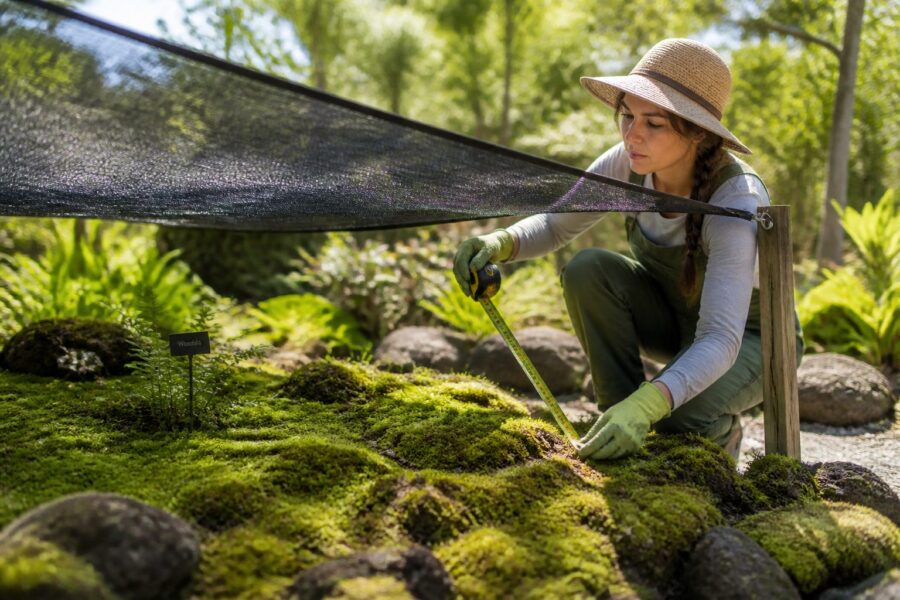
Shade cloth is my go to tool for that control because it is cheap, adjustable, and easy to undo. A good moss shade cloth setup makes the site more forgiving on hot days and less chaotic during shifting sun angles.
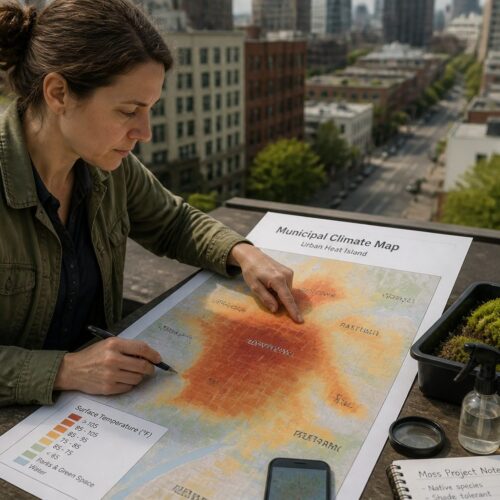
Urban yards and rooftops create weird light patterns that change hour by hour. Concrete bounces light back up, glass throws bright patches, and a neighbor’s tree can turn a sunny bed into deep shade in one season.
This article focuses on choosing shade percentages, installing cloth so it survives wind, and tuning light intensity without turning your grow area into a dark cave. Along the way we will talk about UV exposure and microclimate design, since moss responds to those as much as it responds to raw brightness.
Why light control is a climate tool for moss
Moss does not have stomata that open and close like many vascular plants, so it swings quickly between hydrated and dry. When the sun hits a moss pad directly, the surface can heat fast and dry in minutes even if the air feels mild.
Shade cloth changes more than brightness, it changes the whole energy budget at the surface. Lower light intensity usually means lower leaf surface temperature, slower evaporation, and fewer stress cycles that cause browning.
In cities, reflected light is a bigger deal than people expect. A north facing wall can still roast moss if a pale patio or a white fence is bouncing sun into the bed for three hours.
UV exposure is its own problem because UV can damage chlorophyll and push moss into a protective, duller color. If your project sits under open sky at high elevation or near water, you often need shade even when the air temperature is cool.
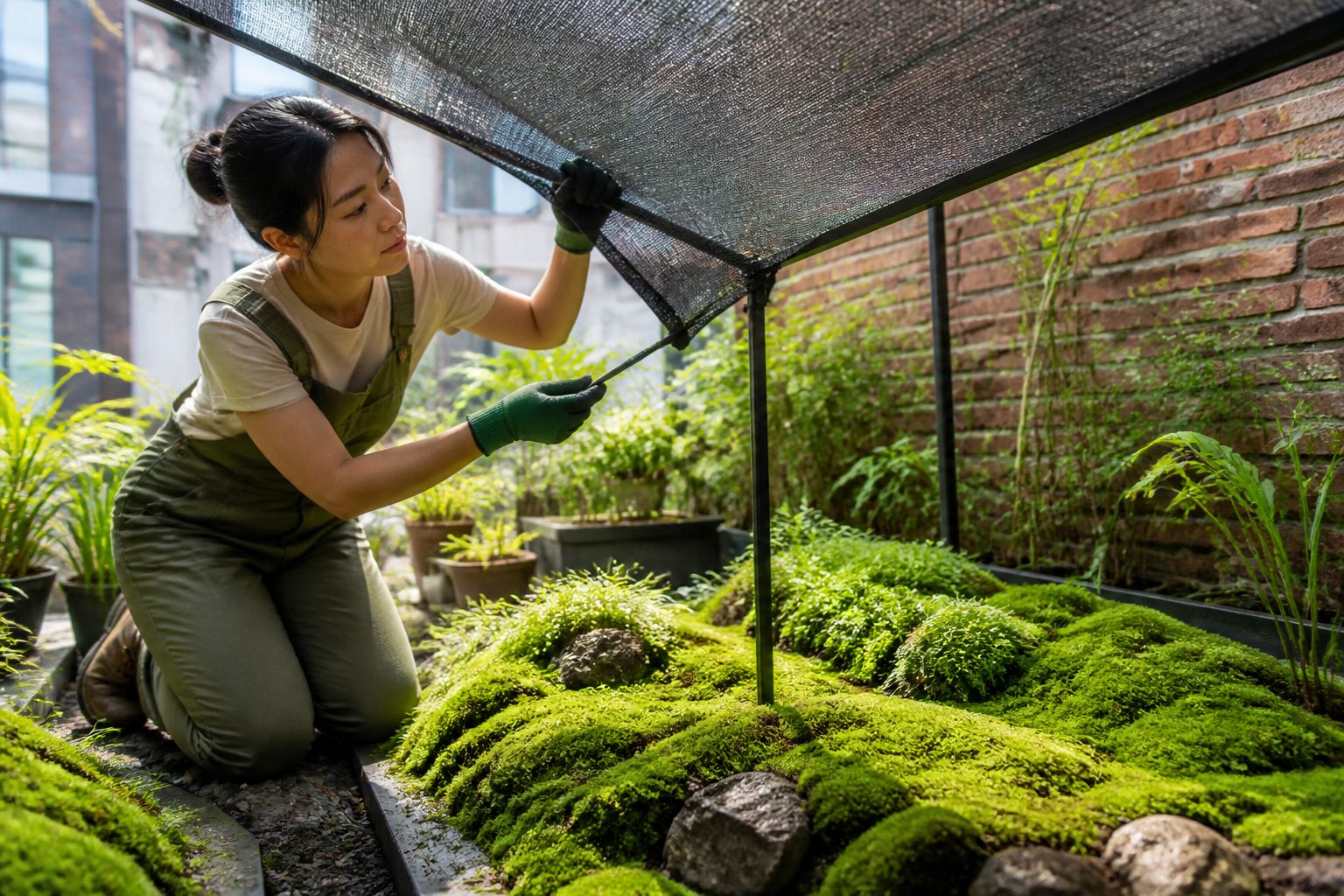
I treat shade cloth as part of microclimate design, not as a cosmetic cover. The goal is steady conditions, where hydration and light stay in a narrow band so the colony can spread instead of constantly repairing damage.
Understanding shade percentages in practical terms
Shade cloth percentages are usually sold as the fraction of light blocked, but the real world is messier. A 50 percent cloth in full noon sun can still be brighter than a 20 percent cloth under a thin tree canopy.
For most temperate moss projects, I start by thinking in categories rather than exact numbers. Low shade is 20 to 30 percent, medium shade is 40 to 60 percent, and heavy shade is 70 percent and up.
Low shade works when you already have morning sun and afternoon shade, and you only need to soften the peak. It is also useful on cloudy coasts where light intensity stays moderate but UV exposure can still be high.
Medium shade is the safest starting point for a new moss shade cloth setup in a bright yard. It usually keeps moss from crisping while still allowing enough light for compact, green growth.
Heavy shade can be right for species that naturally live under shrubs or on the north side of stones, but it can backfire in humid cities. Too little light often means slower drying, more algae film, and a slick surface that looks green but is not moss.
Choosing materials that handle weather and wind
Buy shade cloth like you buy outdoor hardware, because cheap fabric fails fast in sun and flaps itself to death in wind. In my experience, UV stabilized knitted polyethylene lasts longer than woven cloth and tears less when a branch rubs it.
Wind is the silent budget killer because it turns a loose panel into a sail. If your site gets gusts between buildings, plan the cloth, the frame, and the anchors as one unit.
| Material or hardware | What it does well | Where it fails |
|---|---|---|
| Knitted HDPE shade cloth, UV stabilized | Resists tearing, good airflow, long life in sun | Edges fray if you cut without hemming or tape |
| Woven shade cloth | Blocks light evenly, feels stiff for clean installs | Tears along runs, can shred in repeated flapping |
| Aluminet reflective cloth | Lowers heat load, reduces hot spots under intense sun | Costs more, can glare into windows if angled wrong |
| Grommet tape plus stainless grommets | Strong attachment points for tensioned installs | Poor crimping pulls out, mild steel rust stains cloth |
| Paracord or polyester rope | Easy tensioning, flexible layouts around odd shapes | Stretches over time, needs retightening after storms |
| Wire cable with turnbuckles | Holds tension in wind, clean spans over beds | Overkill for tiny plots, sharp ends can cut fabric |
Placement options: overhead, side screens, and partial covers
Overhead cloth is the classic choice because it mimics canopy shade and reduces direct sun. It also cuts the worst UV exposure, which matters on rooftops and open courtyards.
Side screens are underrated in urban microclimate design. A west side screen can block the brutal late day sun while leaving the top open for rain and for better airflow.
Partial covers work when you want a gradient, like a moss path that transitions into a sunnier groundcover. You can cover only the first third of the bed and let the colony choose where it wants to thicken.
Height above the moss changes everything because cloth close to the surface traps warmer air. I usually hang overhead cloth 18 to 36 inches above the moss so heat can escape and so I can still water and weed.
Think about access before you install anything permanent. If you cannot reach the center of the bed without stepping on moss, you will end up damaging the project during routine maintenance.
Preventing hot spots and uneven growth
Uneven light creates uneven moss, and it shows up as patchy thickness, color shifts, or bare seams. Hot spots often come from the edge of the cloth where sun angles under it for a short, intense window.
Start by watching the site at three times, mid morning, solar noon, and late afternoon. If you see a bright stripe moving across the bed, that stripe is where desiccation cycles will concentrate.
Overlap panels instead of butting them edge to edge, because seams leak light. Even a two inch overlap can prevent a narrow sun beam that cooks one line of moss every day.
Reflected light is another hot spot source, especially near pale gravel, white siding, or metal flashing. If you cannot change the surface, angle the cloth or add a side screen to block that bounce.
If you keep getting a dry corner, do not assume it needs more water first. Often it needs less light intensity or less wind, since wind strips moisture even when the shade level looks correct.
Combining shade with misting for better cooling
Shade cloth and misting work well together because shade reduces heat load and misting adds evaporative cooling. The combination can keep surface temperatures down without flooding the substrate.
The trick is to mist for cooling, not to soak for rescue. If you mist at the hottest part of the day under partial shade, you can often prevent the dry down that causes crispy tips and dusty looking mats.
- Mist in short bursts, 15 to 45 seconds
- Aim for a fine fog, not heavy droplets
- Run cycles during peak heat, not at night
- Keep emitters above the cloth to avoid drips
- Use a timer so light and water stay consistent
- Watch for algae film, then reduce duration
Seasonal adjustments: when to add or remove shade
Shade needs change with the calendar, even in the same exact spot. Sun angle, day length, and heat waves shift the balance between growth and stress.
In spring, I often run lighter shade than in midsummer because temperatures are lower and moss can use the extra light intensity to thicken. Spring is also when nearby trees leaf out, so the site might shade itself by May.
In summer, adding shade usually matters more than adding fertilizer or new fragments. If your moss turns pale or silvery by noon, that is a sign you need either more shade or a better misting plan.
In fall, you can sometimes pull back shade to prevent the bed from staying wet for days. Long wet periods plus low light is when algae and liverworts can creep in and change the texture.
In winter, shade cloth can still be useful in sunny cold climates where freeze thaw cycles are harsh. A little shade reduces daytime warming, which can reduce ice melt and refreeze damage on exposed moss cushions.
Measuring light changes without fancy equipment
You do not need a lab meter to make smart shade decisions. You need repeatable observations that connect light intensity to what the moss is doing.
The simplest method is a phone lux app, used for before and after comparisons in the same spot. Lux is not perfect for plant light, but it is good enough to see whether your moss shade cloth setup cut brightness by a third or by half.
Another low tech method is the shadow test on a white card at noon. A hard edged shadow means intense direct sun, while a soft shadow means your cloth is diffusing light and reducing burn risk.
Take photos from the same angle at the same time for a week, because your eyes adapt and lie. When you compare images, you will notice hot spots, glare, and the slow shift in shade as the season changes.
Pair light notes with a simple moisture note, like “dry to touch by 1 pm” or “still damp at 4 pm.” That pairing is where microclimate design becomes practical instead of theoretical.
Common installation mistakes and how to fix them
The most common mistake is hanging cloth loosely so it flaps all day. Flapping stretches grommets, tears corners, and creates moving sun bands that stress moss more than steady light does.
Fix that by tensioning the cloth like a drum, but do not overdo it. I like to tension, wait a day, then tension again because ropes and fabric settle after the first heat cycle.
Another mistake is choosing shade percentage based on a single midday visit. If you install 80 percent shade because the bed looked bright at noon, you might end up with a dim, stagnant patch for the other nine hours.
A third mistake is blocking airflow completely with plastic or solid tarps. Moss likes humidity, but stale air plus constant wetness invites algae and can turn the surface slimy.
People also forget that UV exposure can still be high under thin cloth, especially at high elevation. If you see bleaching even when the bed stays cool, try a denser cloth or a reflective option like aluminet.
Designing for access: maintenance, cleaning, and inspections
Access is not a luxury, it is the difference between a moss bed that improves and one that slowly degrades. If you cannot inspect the center, you will miss pests, algae patches, and irrigation clogs until the damage is obvious.
Build in lift points, like carabiners on the corners or a hinge on one side of a simple frame. Being able to flip the cloth back for ten minutes makes cleaning and spot work realistic.
Shade cloth gets dirty in cities, especially near roads where dust and soot settle into the knit. A dirty cloth can block more light than you planned, which quietly changes light intensity over time.
I rinse cloth with a hose and a soft brush, then let it dry before re tensioning. Avoid harsh cleaners because residues can wash into the bed and change moss color or encourage algae.
Do quick inspections after storms and heat waves. Look for torn hems, pulled grommets, and new glare sources like a neighbor’s fresh white paint that increases reflected light.
Conclusion
Shade cloth works best when you treat it as adjustable climate control, not as a one time fix. When you tune light intensity and UV exposure to match your site, moss spends more time growing and less time surviving.
Start with a sensible shade percentage, install it tight, and watch for hot spots that show up as uneven color and texture. With small seasonal changes and simple measurements, a moss shade cloth setup becomes a reliable part of your microclimate design.