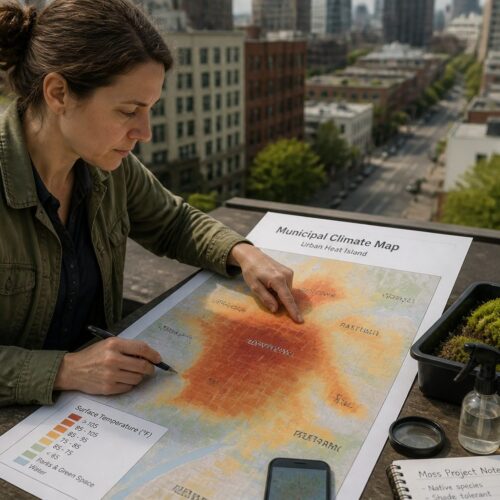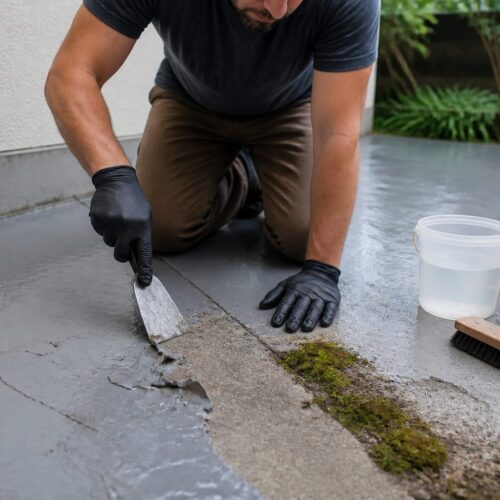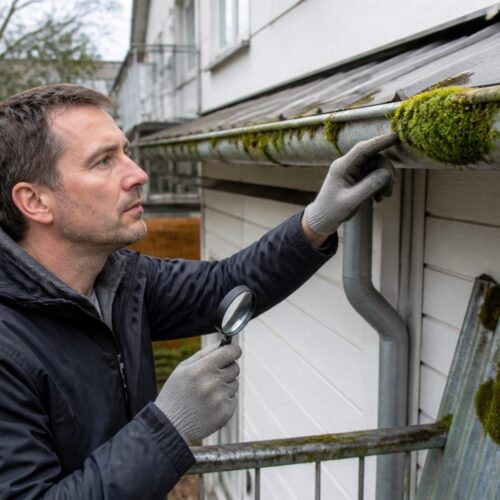

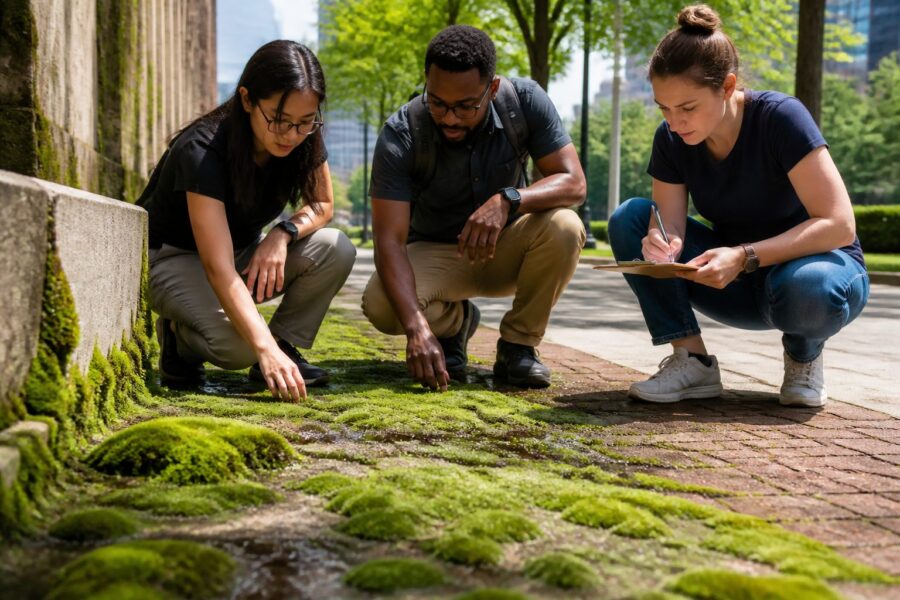
Walk down a summer block and you can feel the city’s patchwork, a pale sidewalk that barely stings, a blacktop strip that bites through your shoes, and a dark roof that seems to radiate heat into the evening. Those differences come down to color, texture, and water, which is why moss belongs in the same conversation as paint chips and roofing membranes.
This article focuses on moss albedo urban surfaces because bryophytes change shade with moisture, and that changes how they handle sun. If you grow moss on patios, walls, or roofs, you are already running a small heat experiment every time the weather flips.
I like moss because it refuses to behave like a flat coating, since it swells, dries, and shifts color in a way that people can see without instruments. That visual shift is a clue about reflectivity and heat absorption, and it can help you design cooler micro spots where people actually stand.
Albedo in plain language: why it matters for heat
Albedo is a simple idea, it is how much incoming sunlight a surface reflects back instead of soaking up. A high albedo surface looks lighter and usually stays cooler in full sun.
When a surface absorbs sunlight, that energy turns into heat in the material, then it leaks out as warm air and infrared radiation. You feel that as heat coming off a dark roof or a parking lot after sunset.
People often treat albedo like a single number that settles the argument, but real surfaces mix color with roughness and moisture. Moss adds another twist because its structure traps air and water, which changes how heat moves.
Reflectivity is the everyday word most homeowners understand, and it is close enough for design conversations. If you can describe a surface as “bright” or “light absorbing” in sun, you are already talking about albedo.
Albedo matters most when the sun is strong and the surface is exposed, which is why roofs and south facing walls dominate urban heat talk. At street level, shade, wind, and humidity can beat albedo, so you have to keep your expectations realistic.
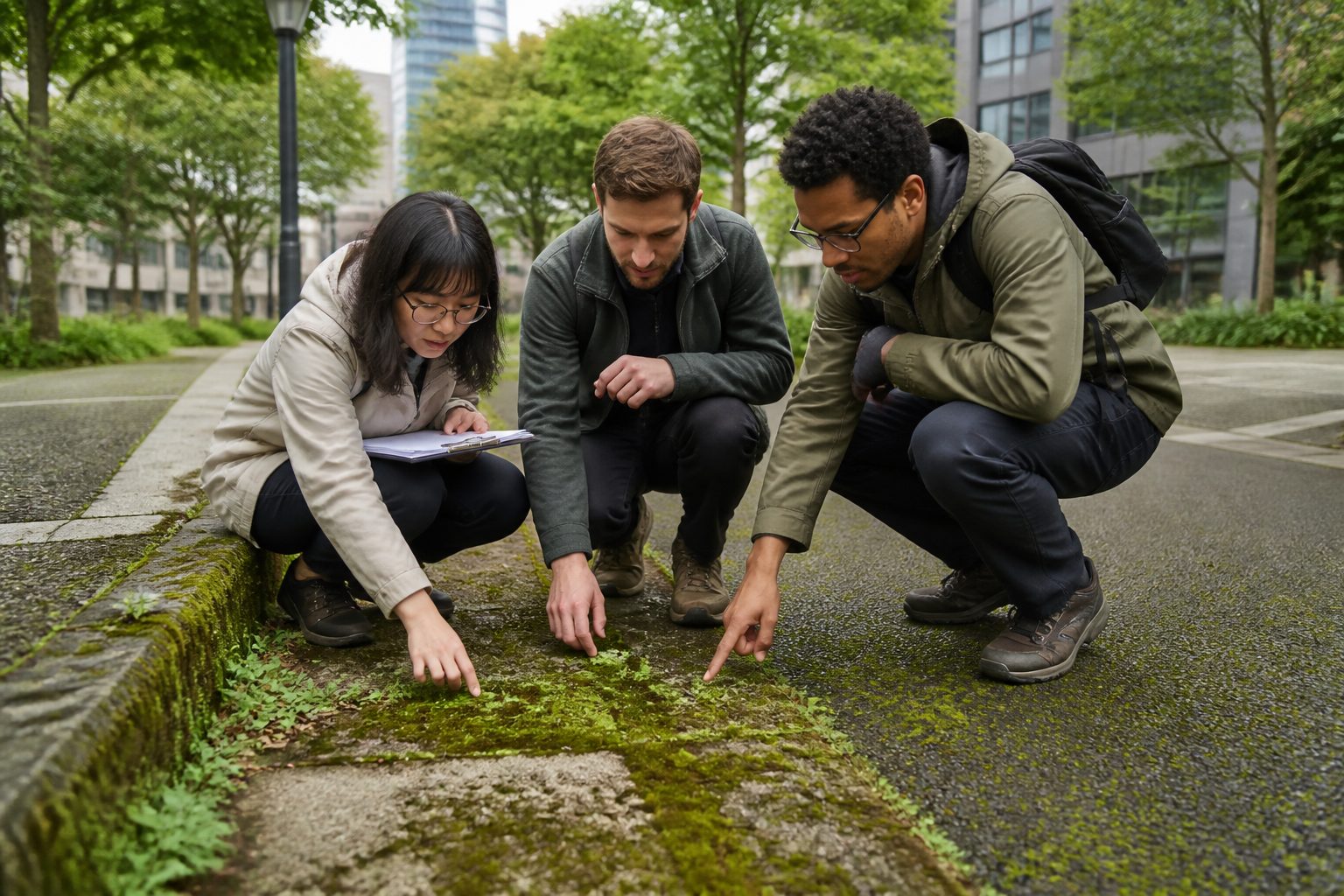
How moss color shifts with moisture and season
Moss color is not fixed, and anyone who has watered a dry patch knows the “before and after” look. Many species go from dusty gray green when dry to deep green when wet, and that changes moss albedo urban surfaces in real time.
When moss is dry, leaves often curl or press tight to stems, which makes the patch look lighter and more matte. When it rehydrates, the leaf surfaces open up and can look darker and glossier, which tends to increase heat absorption under the same sun.
Season also nudges color, especially in temperate cities where winter sun sits low and summer sun hits hard. Some mosses bronze or brown under drought and high light, then return to greener tones when moisture and shade come back.
Urban grime changes the story, since dust and soot settle into moss cushions and darken them over time. That dulling can lower reflectivity, and it makes a moss patch behave a little more like a dark roof than you might expect.
Species choice matters because not all mosses darken the same way when wet. If you are cultivating moss for cooling, look for species that keep a lighter cast when hydrated, and accept that your local options may be limited.
Comparing moss to common urban surfaces
Most urban heat discussions compare white roofs to black roofs, but the ground level mix is broader than that. Moss competes with concrete, asphalt, brick, gravel, and coated membranes, and each one handles sun and water differently.
The quickest way to think about moss is that it is a living, porous surface that can store water and shade its own substrate. That means it can run cooler than its color suggests when evaporation is active, but it can also warm up when it dries out.
| Surface type | Typical look in sun | Common heat behavior |
|---|---|---|
| Asphalt pavement | Very dark, low reflectivity | High heat absorption, stays hot after sunset |
| Light concrete sidewalk | Light gray, moderate reflectivity | Warms slower, can glare and feel hot to touch |
| Dark roof shingles | Dark, often textured | Heats fast, radiates into attic and night air |
| White roof coating | Bright, high reflectivity | Lower surface temps in sun, less night release |
| Moss on soil or mat | Green to brown, changes with moisture | Can cool when wet, can warm when dry and dark |
The moisture factor: when wet surfaces cool vs. warm
Water complicates every simple albedo claim because it changes both color and physics. A wet surface often looks darker, which can increase heat absorption, yet evaporation can pull heat away at the same time.
If a surface stays wet and air can move across it, evaporation acts like a cooling fan. That is why a damp moss patch can feel cooler than a dry concrete slab even if the moss looks darker.
If water sits in a thin film and evaporation is slow, the darker look can win and the surface can warm more than you expect. You see this on wet asphalt after a summer shower when clouds clear fast and the sun returns.
Moss holds water inside its structure, not just on top, so it can keep evaporating longer than a smooth tile. That stored moisture is a big reason moss albedo urban surfaces is worth discussing, because it ties reflectivity to water management.
Humidity and wind decide how much cooling you get from wetness, and cities vary block by block. A sheltered courtyard can stay humid and still, so wet moss may not cool much, while a breezy roof edge can cool fast.
Simple at-home tests to compare heat absorption
You do not need a lab to compare heat absorption, but you do need consistency. Pick a clear day, test at the same hour, and keep your surfaces side by side so they see the same sun and wind.
An inexpensive infrared thermometer is useful, but your hand and a basic kitchen thermometer can still teach you a lot. Write down whether the surface is dry, damp, or wet, because moisture swings results more than people admit.
- Infrared thermometer spot readings at 10 minute intervals
- Same size samples on the same backing board
- Dry vs misted comparison for each surface
- Notes on wind speed and cloud cover
- Photo log of color changes as moss hydrates
- Touch test for “too hot to hold” timing
Shade and angle: why the same surface acts different
Angle changes solar intensity, and it is why a vertical wall can feel cooler than a flat roof at noon. A low sun in late afternoon can slam a west wall, while that same wall barely warms in the morning.
Shade is not binary, since tree leaves, balcony rails, and neighboring buildings create moving patterns that shift minute to minute. Moss responds to those patterns by drying unevenly, so color and reflectivity can vary across a single patch.
In deep shade, albedo matters less because the surface gets less direct solar energy in the first place. In that case, the thermal comfort comes more from air temperature and radiant heat from nearby sunlit surfaces.
On a sloped roof, the sun angle can make a light coating perform better than you expect, while a dark roof can become a heat magnet. If you plan moss zones on roofs, map sun paths first, then decide where moss has a fair chance to stay moist.
Reflections from glass can also cook a surface, and it catches people off guard in dense downtown blocks. If a moss panel sits opposite a reflective window, treat it like it has extra sun even if the sky view looks small.
Designing with contrast: light materials plus moss zones
I prefer contrast over trying to make moss do everything, since moss can dry out and darken during heat waves. Pairing light materials with moss zones gives you a baseline of high reflectivity and a bonus of evaporative cooling when water is available.
For patios, a light concrete or pale paver field with moss strips between units can reduce glare compared with pure white surfaces. The moss breaks up the hard surface and can lower local surface temperatures after watering.
On roofs, a white or light gray membrane can reduce heat absorption across the whole area, and moss can sit in contained trays or mats where irrigation is practical. This approach avoids betting your whole roof’s performance on a living layer that might brown out.
For walls, a light painted backing behind a moss panel can help when the moss thins or goes dormant. You still get a reasonable albedo even if the moss coverage drops during a dry month.
In streetscapes, think in terms of “cool islands” at human stops, like benches, crosswalk waiting areas, and bus shelters. A small moss bed next to a light sidewalk can change comfort more than a token green roof that nobody walks near.
Maintenance that keeps color and performance stable
Moss looks low maintenance until you try to keep it consistent through a hot, dry summer. If you want predictable moss albedo urban surfaces behavior, you have to manage moisture and cleanliness.
Irrigation timing matters because morning watering supports evaporation during the hottest part of the day. Night watering can keep moss wet longer, but it can also invite algae films that darken the surface and cut reflectivity.
Dust control is boring but real, since a thin layer of soot can push moss toward the “dark roof” end of the spectrum. A gentle rinse with clean water, done before grime bakes in, keeps color closer to what you planted for.
Watch for compaction in foot traffic areas, because crushed moss loses its spring and holds less water. If people step on it, use stepping stones or edging so the moss stays porous.
Species mixing can stabilize color across seasons, since one species may brown while another stays greener. Keep the mix simple, though, because a chaotic patch is harder to diagnose when heat absorption results look strange.
Interpreting results for comfort at human height
Surface temperature is not the same as how hot a place feels, because people live in the air a few feet above the ground. Radiant heat from a hot slab can roast your legs even if the air temperature looks fine on a weather app.
When you compare surfaces, stand where a person stands and notice what radiates at you, especially from dark roof edges, brick walls, and asphalt. A small moss patch can reduce that radiant hit if it stays moist, but it cannot cancel a whole sunlit parking lot.
Wind at ankle and waist height changes comfort fast, and moss can help by keeping nearby air slightly cooler through evaporation. In a still alley, you may measure cooler moss but feel little relief because the warm air pools.
Use your measurements to compare patterns, not to chase perfect numbers, since cheap infrared thermometers vary by surface texture. If the moss is consistently cooler than adjacent concrete at peak sun, that is meaningful even if the exact degrees are fuzzy.
Comfort also depends on how long a surface stays hot after the sun drops. A dark roof and asphalt store heat and release it late, while a moist moss patch can cool faster if it did not dry out completely.
Mistakes to avoid when talking about albedo benefits
The biggest mistake is treating albedo as a moral scorecard where light equals good and dark equals bad. Cities need shade, moisture, and airflow, and reflectivity is only one lever.
Another mistake is ignoring glare, because high reflectivity can bounce light into windows and eyes. A white roof is great for heat absorption control, but a blinding courtyard can make people avoid the space.
People also overpromise moss cooling without mentioning water, and that sets up disappointment during drought restrictions. Dry moss can turn brown and darker, and at that point the albedo advantage may shrink or flip.
A common talking point is that any green surface is automatically cool, but plants vary and moss is not a leafy canopy. Moss cools best when it has moisture to evaporate and when the substrate below does not store a lot of heat.
Finally, do not compare a shaded moss patch to a full sun asphalt patch and call it proof, because shade is doing most of the work there. If you want to claim moss albedo urban surfaces benefits, compare like with like in the same sun and wind.
Conclusion
Moss changes color with moisture, and that means its reflectivity and heat absorption change right along with it. That flexibility can help in urban design, but only if you treat water as part of the system.
If you want cooler spots where people actually spend time, combine light surfaces for baseline albedo with moss zones where you can keep moisture steady. Measure your own site, because shade, angle, and wind can make the same material behave like a different one.