
Winter presents unique challenges for outdoor moss green walls, demanding specific care to maintain their lush appearance. Cold temperatures, ice, and reduced sunlight can all impact the health and coverage of your bryophyte installation. Understanding how to adapt your moss green wall winter maintenance strategy is essential for success.
Many people assume moss simply goes dormant and bounces back, but proactive moss wall winter care can prevent significant die-back and ensure a quicker spring recovery. This guide will walk you through the necessary steps to protect your green wall from the harshest winter elements. We will cover everything from temperature resilience to watering adjustments and protective measures.
Keeping your moss wall looking its best through the colder months requires a thoughtful approach, balancing protection with the moss’s natural adaptive abilities. With the right techniques, your green wall can remain a vibrant feature, even when temperatures drop and days shorten. Let’s make sure your moss green wall thrives, not just survives, the winter season.
Proper cold weather moss survival depends on anticipating these seasonal shifts and implementing timely interventions. Ignoring these factors can lead to widespread moss frost damage, weakening the entire installation. A little preparation now saves a lot of restoration work later.
How Moss Responds to Freezing Temperatures
Mosses are incredibly resilient organisms, often surviving extreme environmental conditions that would kill other plants. Their unique cellular structure allows them to tolerate freezing temperatures without permanent damage. This resilience is a key factor in successful moss green wall winter maintenance.
When temperatures drop below freezing, moss cells employ a process called cryoprotection, essentially preventing ice crystals from forming inside their cells. They achieve this by dehydrating, which concentrates their internal solutes and lowers the freezing point of the remaining water. This natural adaptation is critical for cold weather moss survival.
Some moss species can even produce specific sugars and proteins that act as natural antifreeze, further protecting their cells from ice damage. This genetic predisposition explains why certain mosses perform better in colder climates. Knowing your moss species can help predict its winter performance.
While mosses can endure freezing, prolonged periods of extreme cold can still stress them, potentially leading to some browning or dormancy. This is a natural response, not necessarily a sign of moss frost damage, but it indicates the plant is conserving energy. Reduced activity is part of the winter cycle.
The key is that mosses are poikilohydric, meaning their internal water content fluctuates with the external environment. They can dry out almost completely and then rehydrate when moisture becomes available, a trait that greatly aids their cold weather moss survival. This ability makes them robust candidates for green walls.
This desiccation tolerance helps them avoid lethal ice formation within their cells, as there is simply less water to freeze. They effectively “shut down” metabolic processes until conditions improve. Such adaptations are why moss walls can endure harsh winters.
However, repeated freeze-thaw cycles can be more damaging than a steady, deep freeze. These fluctuations can physically tear at cell walls as water expands and contracts. This phenomenon is a primary concern for moss green wall winter maintenance.
Understanding these physiological responses helps refine your moss wall winter care strategy, focusing on minimizing stress during vulnerable periods. It’s about working with nature, not against it, to protect your green investment. Observing your moss’s response is always a good practice.
Ice Formation and Its Effect on Coverage and Attachment
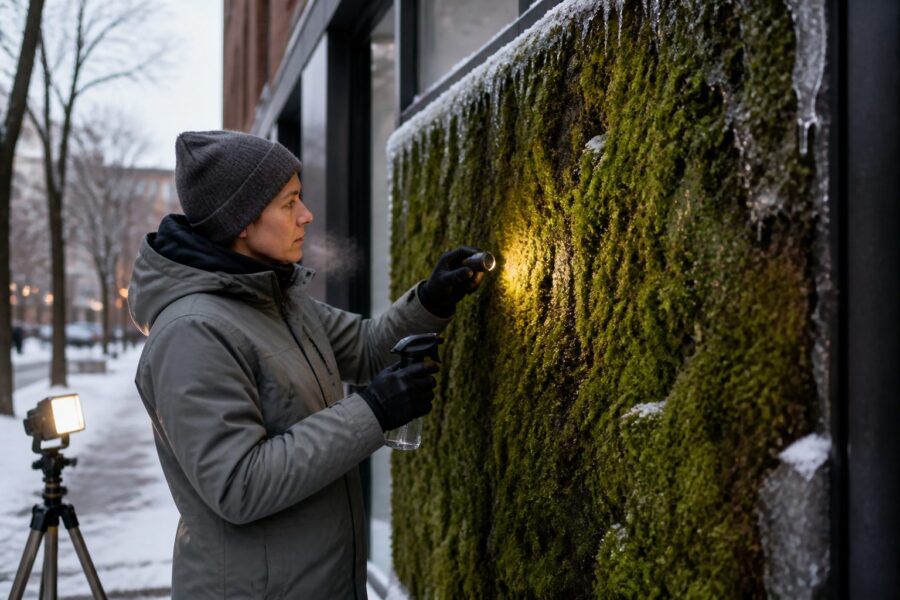
Ice accumulation on a moss green wall poses a significant threat beyond mere temperature stress, directly impacting the physical integrity of the installation. Heavy ice can add substantial weight, potentially causing sections of the moss to detach from the wall. This is a critical consideration for moss green wall winter maintenance.
When water freezes, it expands, and this expansion can pry moss clumps away from their substrate. Repeated freezing and thawing cycles exacerbate this problem, weakening the moss’s attachment points over time. Preventing extensive ice buildup is therefore crucial for moss wall winter care.
| Ice Type | Impact on Moss Wall | Mitigation Strategy |
|---|---|---|
| Surface Ice | Minor physical stress, temporary browning | Allow natural thawing, ensure good drainage |
| Heavy Ice Sheeting | Significant weight, detachment risk, moss frost damage | Gentle removal (if safe), consider temporary covers |
| Internal Ice (Substrate) | Pries moss from substrate, root damage | Ensure substrate is well-drained, limit watering |
| Icicles | Physical damage from falling, localized weight | Redirect water sources, trim overhanging elements |
| Snowfall | Insulation, but heavy snow can cause compaction | Brush off heavy accumulations carefully, avoid compacting |
Low-Light Management During Short Winter Days
Winter brings significantly shorter daylight hours and lower light intensity, which can affect your moss green wall’s photosynthetic activity. While mosses are generally low-light tolerant, prolonged periods of deep shade can still cause them to thin out. Adjusting for low light is a key aspect of moss green wall winter maintenance.
Unlike vascular plants, mosses do not store large amounts of energy, so consistent, even if low, light exposure is beneficial for maintaining their health. They rely on immediate photosynthesis for their energy needs. This makes winter light conditions particularly challenging for moss wall winter care.
Consider the orientation of your moss wall and how winter sun angles might change its exposure. A wall that receives ample sun in summer might be completely shaded in winter, necessitating different light management strategies. Understanding these shifts is vital for cold weather moss survival.
If your moss wall is in a particularly dim location, you might consider supplemental lighting for a few hours a day. Low-wattage LED grow lights can provide the necessary spectrum without generating excessive heat, which can dry out the moss. This intervention can prevent moss from becoming too sparse.
However, avoid over-lighting, as this can also stress the moss and encourage algae growth if humidity levels are too high. A gentle, indirect light source is usually sufficient to support basic metabolic functions. Balance is important in all aspects of green wall care.
Mosses tend to adapt their chlorophyll content based on light availability, appearing darker green in low light to maximize absorption. This natural adaptation helps them cope, but there are limits to their tolerance. Monitor their color to gauge their health.
For some installations, simply accepting a temporary reduction in density or a slight color change is a practical approach. Moss often recovers quickly in spring with increased light and moisture. Sometimes, the best strategy is minimal intervention.
The goal is to prevent severe weakening, not necessarily to maintain peak summer vibrancy throughout the winter. Focus on supporting basic physiological processes to ensure a strong rebound when conditions improve. This mindful approach defines effective moss green wall winter maintenance.
Watering Adjustments in Cold and Frozen Conditions
Watering a moss green wall during winter requires careful consideration, as improper irrigation can lead to more harm than good. Freezing temperatures mean that water can turn to ice, causing physical damage and limiting moisture availability to the moss. This makes precise watering a critical part of moss green wall winter maintenance.
The primary rule for moss wall winter care is to drastically reduce watering frequency and volume. Mosses are less metabolically active in cold weather and require far less moisture than during their growing season. Overwatering can lead to saturated substrates that freeze solid, potentially causing moss frost damage.
Water only on days when temperatures are consistently above freezing, and ensure the wall has ample time to drain before temperatures drop again. Mid-day watering is best, allowing any excess moisture to evaporate. Avoid watering late in the afternoon or evening during winter.
If your region experiences prolonged periods below freezing, it is often best to cease active watering altogether. The moss will enter a dormant state, relying on occasional atmospheric moisture or snowmelt for hydration. This is a natural part of cold weather moss survival.
For indoor or semi-protected green walls, where freezing is not a concern, you can continue a reduced watering schedule. Still, remember that lower light and cooler indoor temperatures mean reduced evaporative demands. Always check the moss’s dryness before watering.
A good indicator is the moss itself; if it feels brittle and dry to the touch, a light misting on a mild day might be beneficial. However, if it still feels damp or plump, hold off on watering. Trust your observations more than a fixed schedule.
Ensure your green wall system has excellent drainage to prevent waterlogging, which can be detrimental in any season but especially in winter. Standing water can freeze and damage the substrate or the moss itself. Proper drainage is a year-round necessity.
Some experts recommend a very light, infrequent misting using a spray bottle on milder winter days, rather than a full soak. This provides surface moisture without saturating the substrate. It’s a gentle way to offer hydration without risking ice damage.
Protective Coverings: When to Use Them and When to Skip
Deciding whether to use protective coverings for your moss green wall in winter depends on several factors, including local climate, wall exposure, and the specific moss species. While coverings can prevent moss frost damage, they can also create new problems if misused. Thoughtful consideration is key for moss green wall winter maintenance.
Temporary covers can shield moss from harsh winds, heavy snow, and direct ice accumulation, which are all significant stressors. These protections are most useful during extreme cold snaps or heavy precipitation events. They are an active component of proactive moss wall winter care.
- Anticipate prolonged sub-zero temperatures
- Protect against heavy, persistent snowfall
- Shield from strong, drying winter winds
- Prevent direct exposure to freezing rain
- Safeguard new or recently installed moss walls
- Minimize physical damage from falling icicles
- Reduce impact of repeated freeze-thaw cycles
Addressing Winter Pests and Diseases
While mosses are generally resistant to many common plant pests and diseases, winter conditions can sometimes create unique vulnerabilities or bring forth different challenges. Proactive monitoring and appropriate interventions are part of comprehensive moss green wall winter maintenance. You should never assume your moss is immune to all problems.
One primary concern in colder, damp conditions is fungal growth, particularly if the wall remains excessively wet or has poor air circulation. Overwatering, especially in low light, provides an ideal environment for mold and mildew to thrive. This can lead to unsightly patches and potentially weaken the moss. Pay attention to any discoloration or fuzzy growth.
Pests like slugs and snails can also be active in milder winter climates, especially if they find shelter within the wall’s crevices. These mollusks can graze on moss, leaving noticeable trails of damage. Inspect the wall periodically for their presence, particularly after rain. Early detection helps prevent widespread issues.
Reduced light and moisture stress can also make moss more susceptible to opportunistic pathogens. A weakened moss mat may struggle to recover from minor infections that it would easily shrug off in healthier conditions. Maintaining overall moss health is your best defense against disease. Prioritize proper moss wall winter care.
To mitigate fungal issues, ensure proper watering practices, allowing the wall to dry slightly between hydration cycles. Improving air circulation around the wall, if possible, can also help reduce humidity levels on the moss surface. Consider pruning surrounding vegetation that might block airflow.
For slug and snail control, manual removal is often the most effective and eco-friendly method. You can also use organic slug baits if the problem is extensive, but apply them carefully to avoid direct contact with the moss. Chemical pesticides are generally not recommended for moss walls. These products can harm the moss itself.
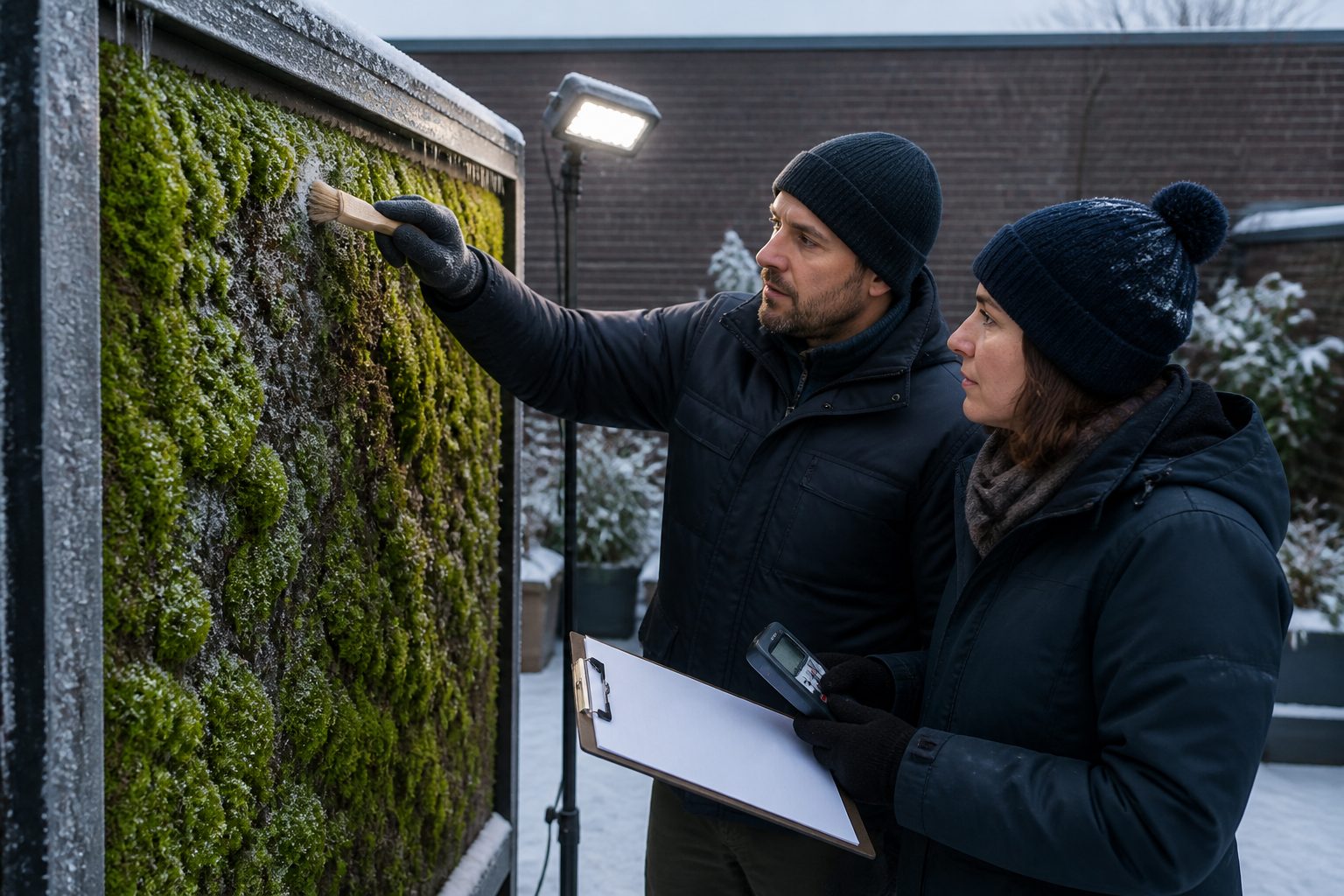
Periodically inspecting your moss wall for any unusual changes in color, texture, or coverage is a crucial step in winter maintenance. Early detection of issues allows for prompt action, preventing minor problems from escalating into significant moss frost damage or loss of coverage. A quick check can save a lot of trouble.
Remember that a healthy, well-maintained moss wall is inherently more resilient to pests and diseases. Providing the right environmental conditions and attentive cold weather moss survival strategies will be your strongest defense. Prevention is always better than cure when it comes to living installations.
Species That Hold Coverage Best Through Winter
Not all moss species perform equally well when faced with winter’s harsh realities; some are simply better equipped for cold weather moss survival. Selecting the right species for your region’s climate is a fundamental aspect of long-term moss green wall winter maintenance. This choice can significantly impact your wall’s aesthetic through the colder months.
Generally, mosses native to colder climates or those found naturally in exposed, rocky areas tend to exhibit superior winter resilience. These species have evolved robust mechanisms to cope with freezing temperatures, ice, and wind. They are often excellent choices for outdoor green walls in temperate zones.
Species like Dicranum scoparium (Broom Moss) and Hypnum cupressiforme (Cypress-leaved Plaitmoss) are known for their ability to maintain good coverage and color through winter. They possess strong attachment structures and a dense growth habit that resists physical damage from ice. These are dependable options for enduring cold.
Another excellent choice is Polytrichum commune (Haircap Moss), which, with its upright growth and protective hair-like tips, can withstand significant frost and snow. While it might brown slightly, it often retains its structure and re-greens quickly in spring. Its architectural form adds texture to winter walls.
Sheet mosses, such as various Hypnum species, often fare well due to their ability to form dense, interlocking mats. These mats provide a degree of self-insulation and resist being easily dislodged by ice. Their creeping growth pattern helps secure them firmly to the substrate. These varieties are highly adaptable.
Cushion mosses, like Leucobryum glaucum (Pin Cushion Moss), also show good winter performance, though their rounded form can accumulate snow more readily. Their thick, spongy structure offers insulation, protecting the inner cells from extreme cold. This makes them a hardy choice for moss wall winter care.
Conversely, some tropical or sub-tropical mosses, while beautiful, are simply not suited for freezing conditions and will suffer extensive moss frost damage. It is important to research the cold hardiness of any moss species before incorporating it into an outdoor green wall. Local nurseries or bryophyte specialists can offer valuable advice.
When planning your moss green wall, consider a mix of species to leverage the strengths of each, ensuring a diverse and resilient installation. Even if one species shows some browning, others might maintain their lush appearance. This diversity contributes to overall aesthetic appeal and robustness.
Spring Recovery: What to Expect and How to Help
After a long winter, observing your moss green wall’s spring recovery is a rewarding experience, but it also requires a discerning eye and some proactive assistance. Most mosses will naturally rehydrate and resume growth as temperatures rise and light increases. This period is a critical phase of moss green wall winter maintenance.
Expect some browning or thinning in areas, especially on walls exposed to the harshest winter elements or where moss frost damage occurred. This is normal, and most healthy mosses will begin to green up rapidly once consistent warmth and moisture return. Patience is a virtue during this transition.
As soon as the threat of hard freezes has passed, you can gradually resume a more regular watering schedule. Start with light, frequent misting and slowly increase volume as the moss shows signs of active growth. Consistent moisture is vital for rehydration and new growth.
A gentle spring cleaning can also be beneficial, carefully removing any accumulated debris, dead leaves, or lingering ice. Use a soft brush or gloved hands to avoid damaging the delicate moss. This tidying up improves air circulation and light penetration.
Inspect the wall for any detached sections or areas of significant loss. These can be repaired by reattaching healthy moss fragments or by introducing new moss slurry. Early repairs prevent larger gaps from forming and maintain uniform coverage. This proactive approach is key to moss wall winter care.
While mosses generally do not require fertilization, a very diluted, balanced liquid fertilizer can sometimes give a boost to struggling areas. Apply it sparingly and according to product instructions, as too much fertilizer can harm moss. Focus on a gentle, supportive approach.
Ensure that your irrigation system is functioning correctly after the winter, checking for any clogged emitters or damaged lines. Proper water delivery is essential for consistent hydration and fostering robust spring growth. A quick system check can prevent future headaches.
Remember that the overall health of your moss wall before winter directly correlates with its spring recovery. A well-maintained wall with robust cold weather moss survival strategies in place will bounce back much faster and more completely. Consistent care pays dividends in the long run.
Managing a moss green wall through winter is certainly a commitment, but the rewards of a vibrant, living wall year-round are well worth the effort. By understanding how mosses adapt to cold, ice, and low light, you can implement effective strategies to protect your installation. Thoughtful moss green wall winter maintenance ensures your bryophytes endure the harshest conditions.
From adjusting watering routines to choosing resilient species and providing strategic protection, every step contributes to the long-term health of your green wall. Your proactive moss wall winter care efforts will pay off immensely when spring arrives, revealing a lush and thriving display. It’s about respecting the natural cycles of these incredible plants.
Don’t be discouraged by some browning or thinning; this is often a natural part of cold weather moss survival. With careful attention and timely interventions, your moss wall will bounce back, continuing to provide beauty and ecological benefits. Preventing moss frost damage is achievable with the right knowledge.
Embrace the seasonal changes as an opportunity to deepen your connection with these fascinating plants and refine your cultivation techniques. Your dedication to maintaining their health through the winter months will ensure your green wall remains a stunning feature for years to come. Happy moss gardening!