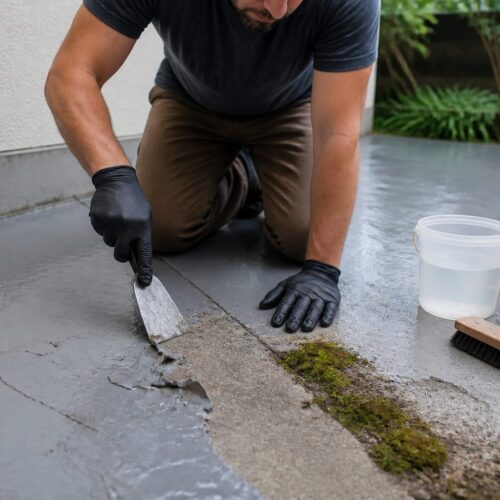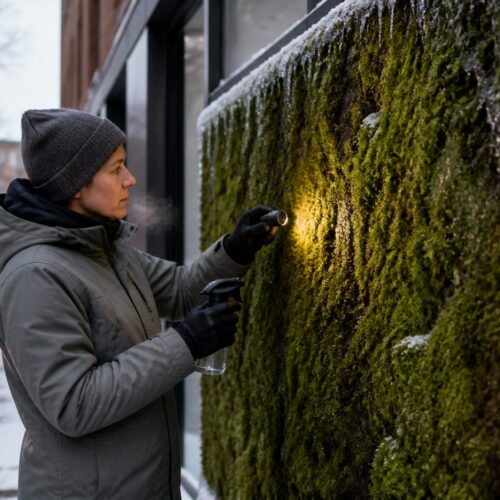

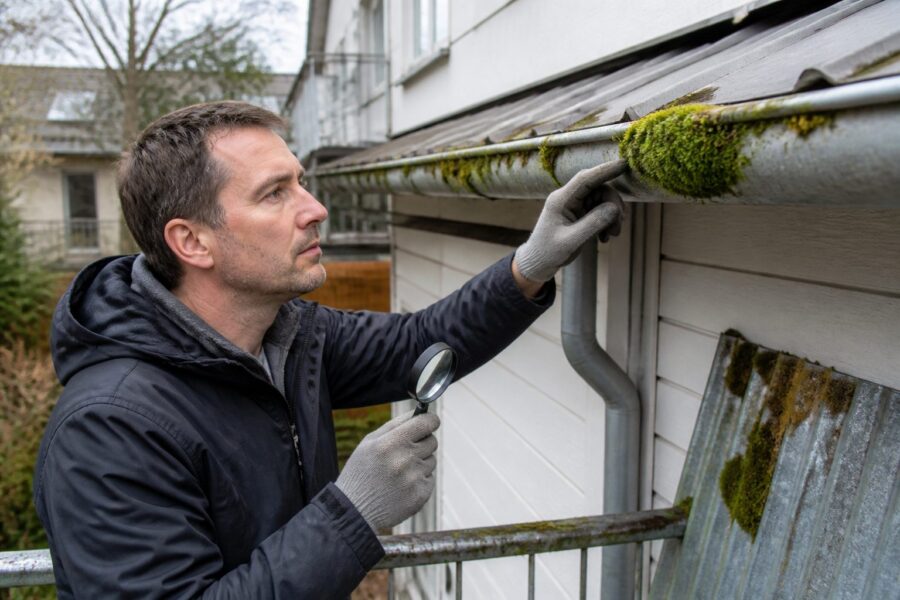
Transforming sterile metal surfaces into living canvases of green can be surprisingly rewarding for the urban gardener. While many assume moss only thrives on porous, natural substrates, getting moss on metal surfaces urban structures present a unique challenge and opportunity. We are talking about gutters, railings, sheet metal, and even an urban moss metal roof that could host a vibrant bryophyte community.
It takes a bit of know-how and patience, but the aesthetic appeal and ecological benefits are well worth the effort. Imagine soft, verdant patches softening the harsh lines of modern architecture, or a subtle green patina forming on a weathered railing. This guide will walk you through the practical steps to successfully cultivate moss on metal surfaces, turning the ordinary into something truly special.
It is important to understand that not all metal is created equal when it comes to encouraging bryophyte growth. Different metals present varying levels of difficulty, and understanding these nuances is key to your success. We will cover everything from surface preparation to long-term care, ensuring your urban moss project thrives.
Why Metal Is Difficult for Moss Establishment
Metal poses several inherent challenges for moss attachment metal surfaces, making it less hospitable than stone or wood. The primary issue is its non-porous nature, which offers no natural crevices or absorbent material for rhizoids to cling to or for moisture to linger. This lack of porosity means water quickly runs off, denying moss the consistent dampness it desperately needs to survive and grow.
Another significant hurdle is the chemical composition of many metals, particularly those prone to oxidation or treated with protective coatings. Fresh steel or aluminum might leach compounds that are toxic to delicate bryophyte cells, or their smooth, unweathered surfaces simply lack the microscopic texture needed for initial colonization. Moss thrives on a slightly acidic substrate, and many metals, especially newly exposed ones, can present a neutral or even alkaline surface pH as they interact with rainwater.
Temperature fluctuations on metal can also be extreme, far more so than on other materials. A metal surface can heat up dramatically under direct sun, quickly dehydrating any nascent moss growth, then cool rapidly at night, potentially causing thermal shock. These rapid swings make it hard for moss to maintain the stable microclimate it prefers, often leading to desiccation and failure.
The presence of protective paints or anti-corrosion treatments on metal surfaces adds another layer of complexity. These coatings are designed to repel moisture and inhibit biological growth, which is exactly what we are trying to encourage. You will find that attempting to establish moss on galvanized metal that is freshly coated is an exercise in futility, as the zinc layer acts as a powerful deterrent. Overcoming these barriers requires specific techniques to alter the surface properties and create a more inviting environment for moss.
Wind exposure is often amplified on elevated metal structures like railings or an urban moss metal roof, further contributing to moisture loss. Airflow can wick away precious humidity, making it even harder for moss to stay damp long enough to establish itself. Therefore, selecting a sheltered spot or providing some form of windbreak can dramatically improve your chances of success in these challenging locations.
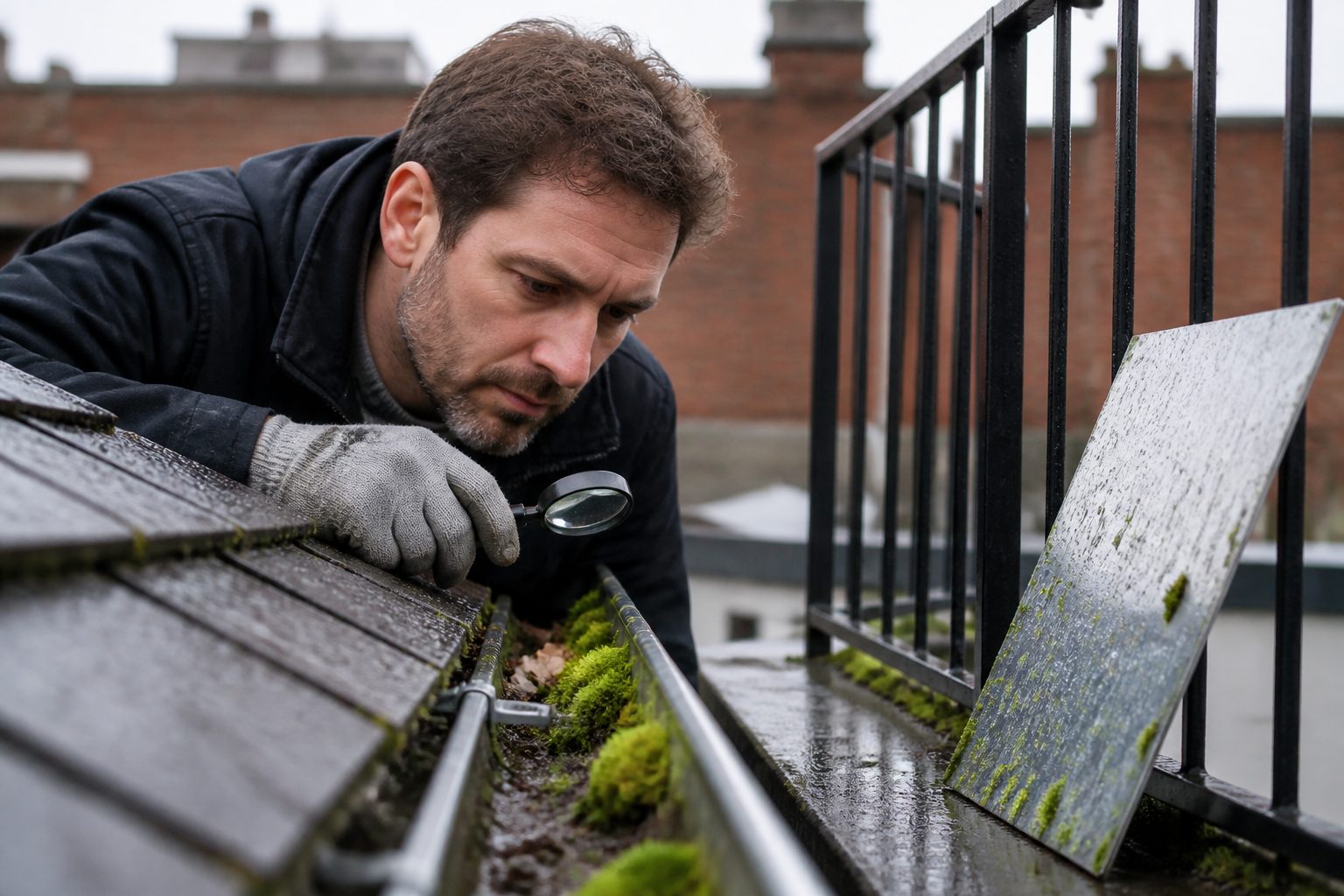
Surface Preparation: Roughening, Oxidizing, and pH Adjustment
Proper surface preparation is the absolute foundation for successful moss cultivation on metal surfaces. You cannot just slap some moss onto a shiny gutter and expect it to magically adhere; the metal needs significant coaxing to become hospitable. The first step involves roughening the surface to give the tiny rhizoids something tangible to grip onto, mimicking the texture of natural stone or bark.
You can achieve this roughening through various mechanical means, depending on the scale and location of your project. For smaller areas like railings or decorative pieces, a wire brush or coarse sandpaper works well to create a network of microscopic scratches. For larger installations, like an urban moss metal roof, a power washer with an abrasive nozzle or even light sandblasting might be considered, though this requires careful planning and safety precautions.
| Metal Type | Preparation Method | pH Adjustment | Notes |
|---|---|---|---|
| Galvanized Steel | Wire brush, light acid wash | Slightly acidic (5.5-6.5) | Zinc coating needs etching; consider pre-weathering. |
| Aluminum | Coarse sandpaper, dilute vinegar scrub | Slightly acidic (5.0-6.0) | Smooth surface requires aggressive roughening. |
| Copper/Brass | Fine steel wool, natural oxidation | Neutral to slightly acidic (6.0-7.0) | Patina formation is beneficial; avoid harsh chemicals. |
| Untreated Steel | Wire brush, rust accelerator | Slightly acidic (5.5-6.5) | Encourage surface rust for better grip and moisture retention. |
| Painted Metal | Sand off paint, roughen substrate | Depends on underlying metal | Paint must be removed for moss attachment metal. |
Oxidation is another critical factor, especially for moss on galvanized metal or untreated steel. Rust, contrary to popular belief, can actually be beneficial for moss, providing a porous, slightly acidic layer that holds moisture and offers a textured grip. You can accelerate this process on untreated steel by applying a weak saline solution or commercial rust accelerators, allowing it to sit for a few days before rinsing.
For moss on galvanized metal, which resists rust due to its zinc coating, you might need a very dilute acidic wash, like white vinegar, to etch the surface and encourage some minor corrosion. Always test a small, inconspicuous area first to ensure you do not damage the underlying metal or create undesirable discoloration. This step is about creating a micro-environment that moss can actually colonize, not just a clean surface.
Finally, pH adjustment is crucial since moss prefers a slightly acidic environment, typically between 5.0 and 6.5. After roughening and oxidizing, you can spray the surface with a dilute solution of distilled white vinegar or a weak citric acid solution to lower the surface pH. Regular rainwater is usually slightly acidic, but giving it a head start will greatly improve the initial moss attachment metal success.
Best Species for Metal Colonization
Choosing the right moss species is not just about aesthetics; it is about selecting bryophytes that naturally tolerate the challenging conditions of metal surfaces. Some mosses are simply hardier and more adaptable to fluctuating temperatures, limited moisture, and varying surface chemistries. Your best bet will always be local species, as they are already acclimated to your regional climate and environmental conditions.
Cushion mosses, such as Leucobryum glaucum (Pincushion Moss) and Dicranum scoparium (Broom Moss), are excellent choices due to their ability to form dense, moisture-retaining clumps. These species create their own humid microclimates within their growth, helping them withstand periods of dryness that are common on exposed metal. Their robust growth habits also contribute to better moss attachment metal surfaces, as they spread out and anchor more effectively.
Haircap mosses, particularly species from the Polytrichum genus, are another strong contender for moss on metal surfaces urban installations. They possess unique leaf structures that help capture and retain water, and their taller, more upright growth can create a striking texture. While they might take longer to establish, once rooted, they are incredibly resilient and can form extensive, durable colonies.
Sheet mosses, like Hypnum curvifolium or Thuidium delicatulum, can also work, especially in shadier, more consistently damp locations. These species spread in flat, carpet-like layers, which can be visually appealing and provide good coverage. However, they are generally less tolerant of direct sun and rapid drying than cushion or haircap mosses, so site selection is especially critical for them.
When considering moss on galvanized metal, you might find that species tolerant of slightly higher pH or mineral content do better. Some common roadside mosses, which endure harsh conditions, often have this resilience. Always observe what mosses are already growing naturally in similar urban environments around you; these are your best indicators of successful candidates for your specific project.
Application Methods That Work on Low-Porosity Surfaces
Applying moss to low-porosity metal surfaces requires a departure from simply laying down mats, as there is no substrate for it to root into naturally. The goal is to create a slurry that provides both initial adhesion and a nutrient-rich, moisture-retaining medium for the moss spores or fragments. This method significantly increases the chances of successful moss attachment metal structures.
The most common and effective application technique involves blending moss fragments with a binder to create a “moss milkshake.” You will need live moss, buttermilk or plain yogurt, and a small amount of water. The live moss should be torn into small pieces to expose more surface area for growth, and the dairy products provide both nutrients and a sticky consistency that aids adhesion.
Blend these ingredients in a blender until you achieve a thick, paint-like consistency, adding water as needed to reach the desired spreadability. Some people like to add a pinch of sugar to encourage growth, or a small amount of liquid plant food, but these are optional. The key is to have a mixture that is thick enough to cling to vertical surfaces without dripping excessively.
Once your moss slurry is ready, apply it generously to the prepared metal surface using a paintbrush, sponge, or even a spray bottle for larger areas like an urban moss metal roof. Ensure an even coating, paying particular attention to any roughened sections or crevices you created during the preparation phase. The slurry acts as a temporary adhesive, holding the moss in place until it can begin to establish its own rhizoids.
For moss on galvanized metal, where initial adhesion can be particularly tricky, consider adding a small amount of a non-toxic, water-soluble adhesive to your slurry. This extra boost can help the mixture cling while the moss fragments begin to germinate and attach themselves. Remember, patience is key here; you will not see immediate results, but consistent moisture and the right application will pay off.
Watering and Humidity Management for Metal Installations
Consistent watering and vigilant humidity management are arguably the most critical factors for initial moss establishment on metal surfaces. Unlike soil-based plants, mosses absorb water directly through their leaves, making regular moisture contact absolutely essential for their survival and growth. This is especially true for moss on metal surfaces urban installations, where natural humidity might be lower.
During the first few weeks after application, your moss installation needs to be kept continuously damp, but not waterlogged. You should mist the area several times a day, particularly during dry or sunny periods, to prevent the moss slurry from completely drying out. A fine misting bottle works best for this, ensuring even coverage without washing away the nascent growth.
- Mist multiple times daily during establishment
- Use a fine misting bottle or sprayer
- Avoid direct, strong water streams
- Increase frequency in dry or sunny weather
- Consider temporary covers for humidity
- Check surface dampness regularly
- Reduce watering once established, but continue to monitor
For larger areas or an urban moss metal roof, installing an automated misting system on a timer can be a game-changer, especially if you cannot be present to water manually. These systems can deliver short bursts of fine mist throughout the day, providing the consistent humidity that moss craves. This approach ensures the moss attachment metal surfaces remain viable without excessive human intervention.
Consider temporary measures to boost humidity for the first few weeks, especially if your metal surface is exposed to drying winds or intense sun. You could drape a permeable fabric, like burlap, lightly over the area, misting both the moss and the fabric to create a localized humid microclimate. This technique is particularly effective for moss on galvanized metal, which can be prone to rapid drying.
Once the moss begins to show signs of establishment, such as new green growth or a firm attachment to the surface, you can gradually reduce the frequency of watering. However, always remain vigilant during prolonged dry spells or heat waves, as even established moss can quickly desiccate on exposed metal. The key is to find a balance where the moss receives enough moisture to thrive without becoming overly saturated, which could lead to fungal issues.
Long-Term Care and Troubleshooting Detachment
Establishing moss on metal surfaces is only half the battle; maintaining its health and preventing detachment over the long term requires ongoing attention. Once your moss has successfully colonized, its needs shift slightly, but consistent care remains essential for its continued success. Think of it as nurturing a delicate ecosystem that needs regular observation.
Regular monitoring for signs of stress or detachment is your primary long-term task. Look for browning, crispiness, or areas where the moss appears to be lifting from the metal surface. These are often indicators of insufficient moisture or excessive sun exposure, which are common issues for moss on metal surfaces urban environments.
If you notice areas drying out, increase your misting frequency or consider adding temporary shade during the hottest parts of the day. For moss on galvanized metal, pay close attention to patches that might have struggled with initial moss attachment metal; these areas may require reapplication of your moss slurry. Sometimes, a gentle press with a hand can help re-establish contact if the detachment is minor.
Nutrient supplementation is generally not required for moss, as it derives most of what it needs from rainwater and airborne particles. However, a very dilute solution of liquid seaweed extract, applied sparingly once or twice a year, can sometimes provide a beneficial boost without over-fertilizing. Avoid strong chemical fertilizers, which can harm delicate bryophytes and introduce unwanted salts to the metal surface.
Weed control is another aspect of long-term care, as opportunistic weeds or algae can sometimes try to colonize your moss patch. Gently remove any unwanted growth by hand, being careful not to disturb the moss itself. Maintaining a healthy, dense moss carpet is the best defense against invasive species, as it naturally outcompetes them for space and resources.
Environmental factors like heavy rain or strong winds can also cause detachment, especially on an urban moss metal roof or exposed railings. If significant patches lift, you might need to re-apply the moss slurry and provide extra protection during its re-establishment phase. Sometimes, a fine mesh netting temporarily secured over the area can help hold moss in place during periods of high wind or heavy precipitation.
Seasonal changes will naturally affect your moss, with some species appearing less vibrant during very cold or very hot periods. This dormancy is normal, but continued occasional misting can help them survive these tougher times. Consistent observation and responsive care will ensure your metal moss garden remains a thriving and beautiful feature for years to come.
Safety Considerations for Elevated Metal Structures
Cultivating moss on metal surfaces, especially those in elevated or hard-to-reach locations, introduces important safety considerations that must not be overlooked. Working at heights, handling tools, and dealing with potentially slippery surfaces all pose risks that require careful planning and appropriate precautions. Your safety and the safety of others around you should always be the top priority.
When working on gutters, railings, or an urban moss metal roof, always use stable ladders or scaffolding that are properly secured and rated for your weight. Never overreach or work alone on elevated structures, as having a spotter or helper can prevent accidents. Always assess the structural integrity of the metal itself before climbing onto it or applying anything heavy.
Wear appropriate personal protective equipment (PPE) for the task at hand. This includes non-slip footwear, gloves to protect your hands from rough metal edges and chemicals, and eye protection, especially when roughening surfaces or blending slurries. If you are working with power tools or abrasive materials, consider hearing protection and a dust mask.
Be mindful of the weather conditions when planning your work on moss on metal surfaces urban structures. High winds can make ladder work extremely dangerous, and wet conditions can turn metal surfaces into slippery hazards. Always choose a calm, dry day for application and maintenance, and be prepared to stop if conditions deteriorate unexpectedly.
Consider the potential impact of your moss installation on the structural integrity or function of the metal structure itself. While moss is generally lightweight, a thick, water-retaining layer could potentially add weight or trap moisture against the metal. For an urban moss metal roof, ensure that any added weight is within the roof’s load-bearing capacity, and that drainage is not impeded.
The long-term presence of moss might also affect the corrosion rates of certain metals, particularly if the moss retains acidic moisture against an unprotected surface. While often minimal, this is worth considering for very old or historically significant metalwork. Regularly inspect the metal beneath your moss patches for any signs of accelerated deterioration, especially for moss on galvanized metal, where the zinc coating is critical for protection.
Always keep children and pets away from your work area, especially when using tools or chemicals. Store all materials safely and dispose of any waste properly. Taking these safety measures seriously ensures that your rewarding moss cultivation project remains a positive and secure endeavor for everyone involved.
Conclusion
Cultivating moss on metal surfaces might seem like an unconventional gardening pursuit, but it offers a unique way to introduce natural beauty and ecological benefits into urban environments. From softening the harsh lines of a railing to adding a subtle green texture to an urban moss metal roof, the possibilities are genuinely exciting. This endeavor is a testament to the adaptability of nature and the creativity of the urban gardener.
While metal presents distinct challenges due to its non-porous nature and chemical composition, these can be overcome with careful preparation and consistent care. By understanding the specific needs for moss on metal surfaces urban structures, selecting appropriate species, and applying effective techniques, you can transform sterile architectural elements into living works of art. The effort invested in surface roughening, pH adjustment, and diligent watering truly makes a difference in establishing a thriving moss patch.
Embrace the process with patience and observation, knowing that success comes from creating a welcoming microclimate where moss can flourish. Your dedication to fostering moss attachment metal will not only enhance your surroundings but also contribute to a greener, more visually interesting urban landscape. So go ahead, give those metal surfaces a green makeover; you might be surprised by the beautiful results you can achieve.