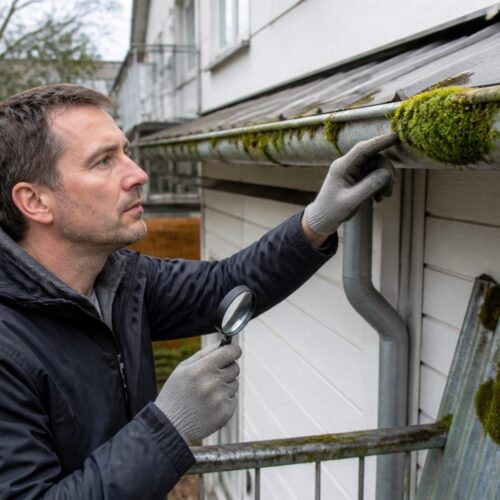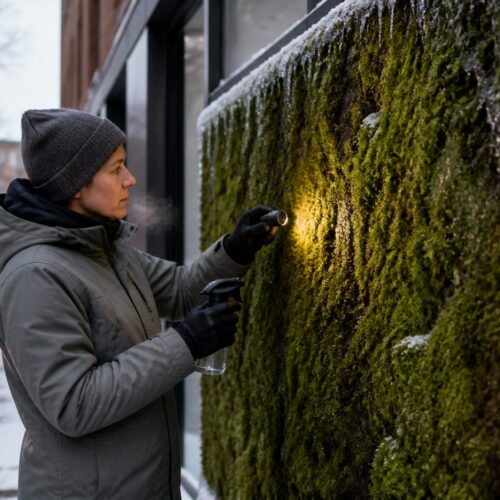

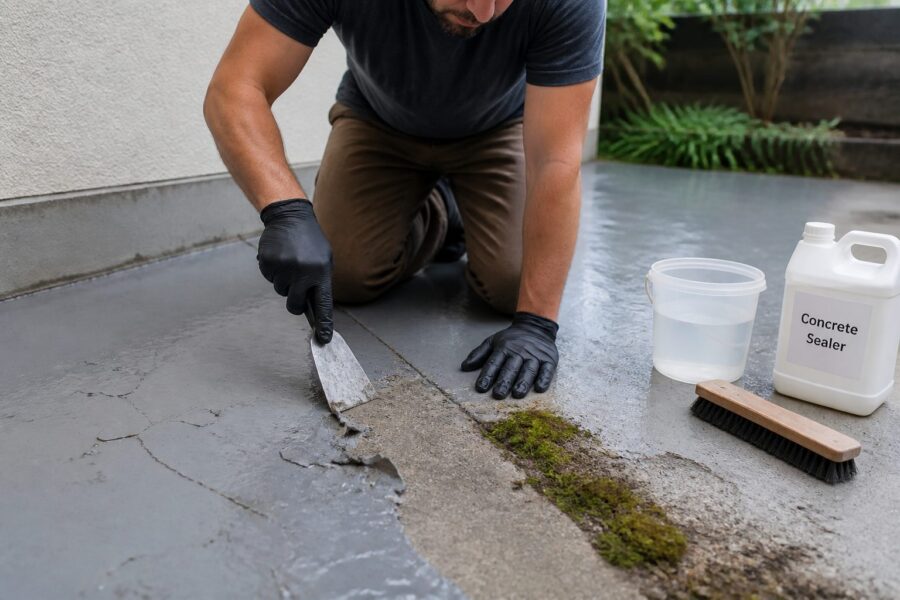
You’ve seen those beautiful, verdant moss carpets adorning old stone walls or shaded natural concrete, and you want to replicate that look on your own urban surfaces. It’s a fantastic goal, bringing a touch of nature’s calm to often sterile environments. However, trying to cultivate moss on sealed painted concrete establishment often leads to frustration, with the green patches struggling to take hold or simply washing away.
This common challenge stems from the very nature of these modern surfaces, which are designed to repel moisture and inhibit growth. Understanding why moss on sealed painted concrete establishment fails is the first step toward achieving your bryophyte dreams. We’ll explore the science behind these difficulties and provide practical, actionable steps to transform your uncooperative concrete into a thriving moss haven.
Successful urban moss cultivation requires a bit more effort and preparation when dealing with painted or sealed concrete, but it is absolutely achievable. Don’t give up on that vision of a soft, green accent just yet; with the right approach, your surfaces can become part of a living ecosystem. Let’s dig into the specifics of making moss stick where you want it.
Why Paint and Sealers Block Moss Attachment
Paint and sealers are primarily designed to protect concrete from the elements, moisture, and wear, which unfortunately creates an environment hostile to moss. These coatings form a smooth, often non-porous barrier that prevents moss spores from finding purchase. Moss needs microscopic nooks and crannies to anchor its rhizoids, the root-like structures it uses for attachment, not nutrient uptake.
The hydrophobic nature of many sealants also repels water, which is essential for moss growth and survival. Mosses absorb water directly through their leaves, so a surface that sheds water too quickly leaves them parched. This lack of consistent moisture is a major deterrent for any potential moss on sealed painted concrete establishment.
Furthermore, these coatings often lack the organic matter and mineral components that mosses typically draw micronutrients from, even if in small amounts. While mosses are not deep-rooted, they do benefit from a slightly weathered or naturally rough substrate. Painted surfaces typically present a sterile, uninviting canvas.
The chemical composition of some paints and sealers can also be detrimental, potentially containing fungicides or other compounds that inhibit biological growth. These additives are meant to prevent mildew and algae, but they don’t discriminate against desirable bryophytes. This chemical barrier creates an additional hurdle for sealed concrete moss growth.
Even if some spores manage to land and germinate, the lack of consistent moisture, proper anchorage, and favorable surface chemistry makes long-term survival unlikely. The initial green film you might see often washes away with the first heavy rain, leading to disappointment. This explains why moss not attaching concrete is a common complaint on treated surfaces.
Consider the natural habitats where moss thrives; these are typically rough, unsealed rocks, tree bark, or damp, porous soil. These surfaces offer ideal conditions for water retention and physical grip. Replicating even a fraction of these conditions is crucial for successful moss cultivation on challenging urban materials.
Ultimately, the smooth, water-repellent, and chemically inert properties of painted and sealed concrete directly contradict the fundamental requirements for moss to establish itself. We must actively counteract these properties if we want to encourage any significant bryophyte colonization. This understanding helps us strategize effective modifications for moss on painted wall surfaces.
Testing Surface Porosity Before Starting
Before you invest time and resources into cultivating moss, it’s smart to assess your concrete surface’s existing porosity. This simple step can save you a lot of effort by revealing just how challenging your particular painted or sealed concrete will be. Knowing the surface’s water absorption rate helps tailor your approach effectively.
A straightforward porosity test involves spraying a small amount of water onto a clean section of the concrete. Observe how the water behaves: does it bead up and run off immediately, or does it slowly soak in? If it beads quickly, you have a highly sealed, low-porosity surface, making moss not attaching concrete a significant issue.
If the water beads but then dissipates or darkens the concrete slightly over a few minutes, there’s some residual porosity, which is a better sign. A surface that absorbs water readily, darkening significantly within seconds, indicates good porosity and a much higher chance of success for moss growth. This initial assessment guides your subsequent preparation efforts.
You can also place a few drops of water on the surface and watch how long they remain as distinct drops before spreading or soaking in. A longer duration suggests a more effective sealant barrier. This gives you a clearer picture of the water retention capabilities of your specific sealed concrete moss growth area.
For painted surfaces, the paint’s age and type also play a role; older, weathered paint might have micro-fissures that provide some grip. Newer, glossy paint will be much more resistant. The porosity test still applies, but you’ll likely find newer paint to be less permeable.
Record your observations for different sections of your concrete if you have varied finishes or ages. This detailed understanding helps you prioritize areas that might be easier to colonize first. It prevents wasted effort on truly impermeable sections where moss on sealed painted concrete establishment is nearly impossible without aggressive modification.
This diagnostic step is often overlooked but is absolutely essential for any serious urban moss cultivator. It provides tangible data about your starting point, allowing you to choose the most appropriate and effective preparation methods. Don’t skip this crucial preliminary evaluation.
Mechanical and Chemical Methods to Increase Surface Grip
To overcome the smooth, non-porous nature of sealed and painted concrete, you must create a more hospitable surface for moss rhizoids to anchor. This usually involves either abrading the surface or chemically altering it to enhance grip and water retention. The goal is to mimic the natural texture of weathered stone.
Mechanical methods focus on physically roughening the surface. Sanding with coarse-grit sandpaper, wire brushing, or even light sandblasting can etch the concrete, creating the microscopic divots that moss needs. This physical alteration is key for moss on sealed painted concrete establishment.
| Method Type | Technique | Pros | Cons |
|---|---|---|---|
| Mechanical | Wire Brushing | Cost-effective, good for small areas, creates micro-scratches. | Labor-intensive, uneven results, can damage paint if too aggressive. |
| Mechanical | Sanding (Coarse Grit) | Controlled abrasion, good for targeted areas, removes superficial sealant. | Dusty, requires elbow grease, may need multiple passes. |
| Mechanical | Light Sandblasting | Highly effective for large areas, uniform texture, removes all sealant. | Requires specialized equipment, messy, can be too aggressive if not careful. |
| Chemical | Acid Etching (Diluted) | Creates porous surface, good for removing thin sealants, improves water absorption. | Requires safety gear, neutralisation needed, can damage surrounding plants. |
| Chemical | Sealant Strippers | Removes existing sealants completely, prepares for re-texturing. | Harsh chemicals, requires careful handling and disposal, costly. |
pH Adjustment on Painted Surfaces
Beyond physical texture, the pH of your concrete surface plays a significant role in moss establishment, especially on painted areas. Concrete naturally has a high alkaline pH, often between 10 and 12, which is generally unfavorable for most moss species. Paints can sometimes buffer this, but the underlying alkalinity usually still dictates the surface chemistry.
Most mosses prefer a slightly acidic to neutral environment, typically a pH range of 5.0 to 7.0. This preference means that simply roughening the surface isn’t enough if the pH remains too high. You need to actively work to bring the surface pH down to a more hospitable level for successful moss on sealed painted concrete establishment.
You can test your surface pH using a simple pH test kit, available at garden stores or online. Moisten a small area of the concrete with distilled water and press a pH strip onto it, or collect a water sample to test. This will give you a baseline reading to work from before you begin any adjustments.
To lower the pH, you can apply a diluted acidic solution. White vinegar (acetic acid) is a common and relatively safe option; dilute it 1:1 with water and spray it onto the surface. Citric acid powder dissolved in water can also be effective, offering a more controlled application for specific areas of sealed concrete moss growth.
Apply these solutions gradually and re-test the pH after each application, allowing time for the acid to react with the concrete. You don’t want to over-acidify, as this can damage the concrete or paint over time. The goal is a gentle, gradual shift towards a more moss-friendly range.
Repeat applications might be necessary, especially if rain or irrigation washes away the acidic residue. This process is about creating a sustained, slightly acidic microenvironment for your mosses. Maintaining this pH is just as important as the initial adjustment for long-term moss on painted wall success.
Be mindful of runoff when applying acidic solutions, ensuring they don’t harm nearby plants or contaminate soil. Always wear appropriate protective gear, including gloves and eye protection, when handling even diluted acids. Safety should always be your top priority during this process.
Achieving the right pH balance can significantly improve your chances of success, turning a marginally habitable surface into a truly welcoming home for bryophytes. It’s a foundational step that often determines the vigor and persistence of your cultivated moss patches. Don’t underestimate the power of pH in urban moss cultivation.
Application Techniques That Work on Low-Porosity Concrete
Applying moss to low-porosity concrete, whether painted or sealed, requires more strategic techniques than simply spreading spores. The key is to maximize contact, encourage adherence, and provide a microclimate conducive to initial growth on a surface that inherently resists it. This means moving beyond casual scattering.
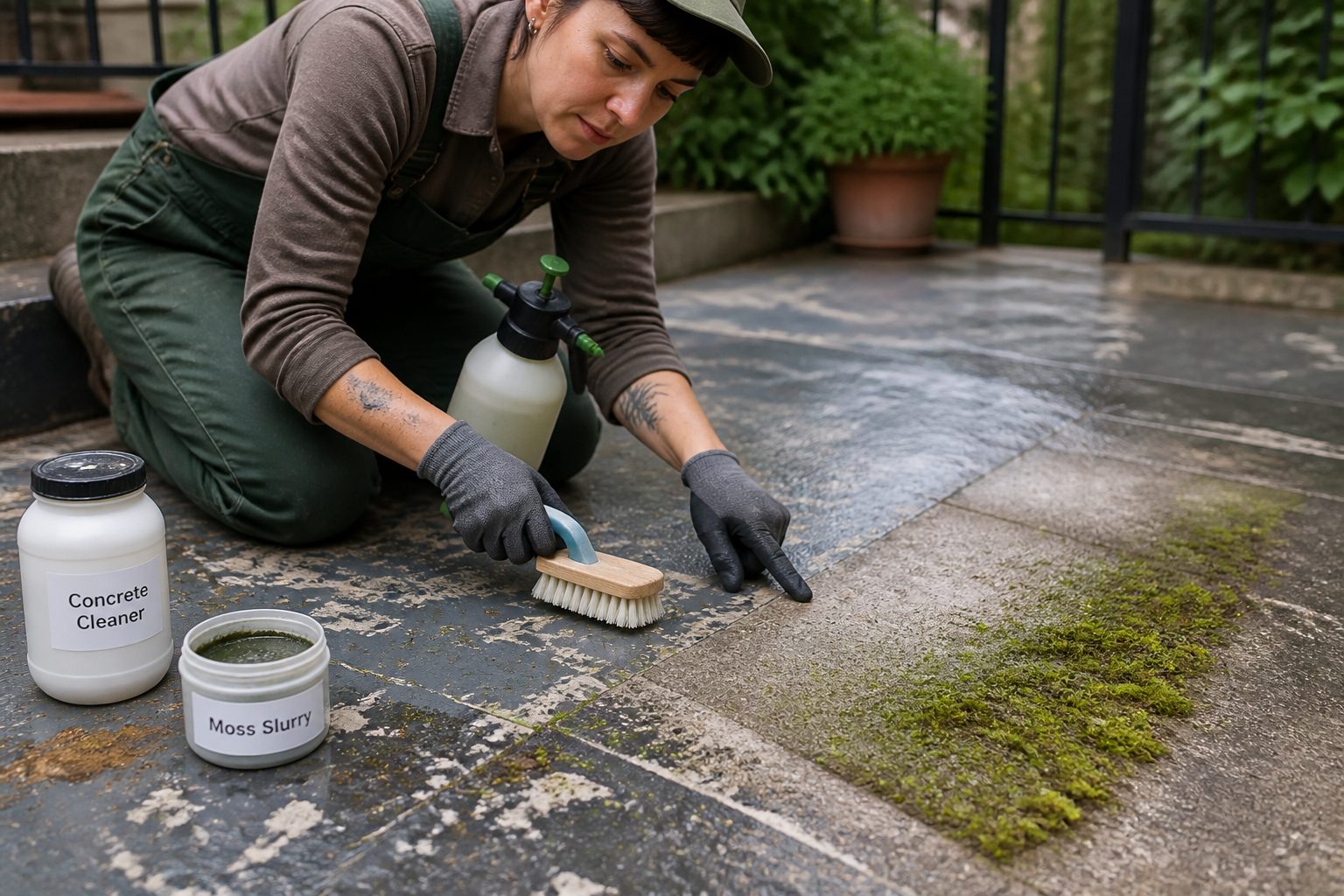
One of the most effective methods involves creating a “moss slurry” or “moss milkshake.” This mixture typically combines fresh moss fragments, buttermilk or yogurt (for nutrients and adhesion), and water, often with a little sugar or beer to aid microbial activity. This thick paste is then applied directly to the prepared surface, which helps with moss not attaching concrete challenges.
- Gather fresh, healthy moss (preferably local).
- Clean the concrete surface thoroughly.
- Blend moss fragments with buttermilk, water, and optional sugar.
- Apply the slurry thickly with a brush or sprayer.
- Mist the area regularly to maintain moisture.
Species to Try First on Difficult Surfaces
Not all moss species are created equal when it comes to resilience and adaptability, especially when faced with challenging substrates like sealed or painted concrete. Choosing the right species is a critical factor for successful moss on sealed painted concrete establishment. Some bryophytes are simply hardier than others and better equipped to handle less-than-ideal conditions.
Look for species known for their drought tolerance, ability to grow on disturbed sites, and preference for sunnier, more exposed locations. These are the “pioneer” mosses that excel in harsh environments. Starting with these increases your chances of overcoming the inherent difficulties of your concrete surface.
One excellent candidate is Syntrichia ruralis, also known as Star Moss or Wall Screw-moss. This acrocarpous moss is incredibly drought-tolerant, able to dry out completely and rehydrate when moisture returns. It often colonizes rooftops and concrete, making it a prime choice for moss on painted wall projects.
Another robust option is Grimmia pulvinata, or Grey-cushioned Grimmia. This species forms dense, silvery-grey cushions that are highly resistant to desiccation and often found on exposed rocks and walls. Its compact growth habit and tough nature make it suitable for areas experiencing some sealed concrete moss growth challenges.
For slightly shadier but still difficult spots, Ceratodon purpureus, or Redshank, is a good contender. It’s a common, adaptable moss that can tolerate a range of conditions, including some sun and drier spells. Its distinctive reddish stems can also add a unique visual element to your urban greening efforts.
You might also consider species from the genus Bryum, such as Bryum argenteum (Silver Bryum). This tiny, silvery moss is a frequent colonizer of cracks in pavement and disturbed ground, indicating its tolerance for tough urban conditions. Its ability to thrive in small niches makes it good for filling in fine textures.
The best way to source these tough species is often directly from similar local environments. Look for mosses already growing on sidewalks, old concrete structures, or retaining walls in your area. These local ecotypes are already adapted to your specific climate and urban conditions, giving them a significant advantage.
Always collect moss responsibly, taking only small patches and leaving plenty behind for regeneration. When you select these hardier species, you’re giving your urban moss cultivation project the best possible start on surfaces where moss not attaching concrete is a common issue. Experimentation with local tough varieties is always encouraged.
Long-Term Monitoring and Reapplication Schedules
Establishing moss on sealed painted concrete is rarely a one-time event; it requires ongoing care, observation, and often reapplication to ensure long-term success. Think of it as nurturing a delicate garden, not just painting a wall. Regular monitoring helps you understand what’s working and what needs adjustment.
Initially, you should monitor your moss patches daily or every other day, especially during the first few weeks after application. Check for signs of drying, detachment, or new growth. Consistent moisture is paramount during this critical establishment phase for moss on sealed painted concrete establishment.
As the moss begins to show signs of establishment, you can gradually reduce the frequency of direct misting, allowing the moss to adapt to the ambient humidity and natural rainfall. However, prolonged dry spells will always necessitate supplemental watering. Your goal is to find a balance where the moss thrives without constant intervention.
Keep a keen eye on specific areas where the moss seems to be struggling. If a patch repeatedly dries out or washes away, it might indicate insufficient surface preparation, poor water retention, or an unsuitable pH in that particular spot. These observations are valuable for refining your approach.
Reapplication schedules will vary depending on the success of your initial efforts and the specific environmental conditions. For areas where moss not attaching concrete persists, you might need to reapply your moss slurry or fragments every few months until a strong colony takes hold. Patience is truly a virtue here.
Consider seasonal changes; mosses often experience a growth spurt in cooler, wetter months and may become dormant or less vibrant during hot, dry periods. Plan your most intensive reapplication and care efforts for seasons that naturally favor moss growth in your region. This aligns with natural bryophyte cycles.
If you notice areas where your moss on painted wall is thinning or dying back, don’t hesitate to re-evaluate your surface preparation for that specific spot. Sometimes a bit more mechanical abrasion or another pH adjustment is needed. Learning from these localized failures is part of the process.
Long-term maintenance might also involve gently cleaning around the moss to prevent competitive weeds or excessive dust accumulation. A light misting or gentle brushing can help keep the moss healthy and free from debris. This ongoing care ensures your sealed concrete moss growth remains robust and beautiful for years.
Conclusion
Cultivating moss on sealed painted concrete establishment is a challenging but ultimately rewarding endeavor, transforming stark urban surfaces into soft, green oases. It demands a thoughtful, scientific approach, moving beyond casual attempts to embrace the specific needs of bryophytes. Understanding the limitations of modern concrete coatings is the first step toward success.
By carefully preparing your surfaces through mechanical abrasion and pH adjustment, selecting resilient moss species, and employing strategic application techniques, you significantly increase your chances of success. Patience and consistent monitoring are your greatest allies in this process, guiding you through the initial establishment phase and into long-term maintenance. Don’t be discouraged by early setbacks.
Embrace the journey of urban moss cultivation, learning from each attempt and celebrating every new patch of green. Your persistence will eventually be rewarded with the unique beauty and ecological benefits that moss brings to your urban environment. Happy mossing, and enjoy the living art you create.