
In high-pollution areas, the substrate should offer excellent drainage while retaining enough moisture to help rinse away accumulated particulate matter moss growth. A substrate that drains well prevents pollutants from sitting on the moss for extended periods, allowing them to be flushed away with water. This balance is key for moss and pollution tolerance.
- Use well-draining, slightly acidic substrates
- Incorporate inert materials like sand or small gravel
- Ensure substrates are free of heavy metals
- Maintain consistent, but not waterlogged, moisture
- Consider raised beds or containers for better control
- Use rainwater or filtered water for irrigation
- Avoid highly alkaline substrates that can react with acid rain
Monitoring Moss Health as an Informal Air Quality Indicator
Mosses are often called “bioindicators” because their health and presence can reflect the surrounding environmental conditions, especially urban air quality moss experiences. By regularly observing your urban moss garden, you can gain informal insights into local air pollution levels. This personal monitoring offers a real-time, low-tech way to assess your environment.
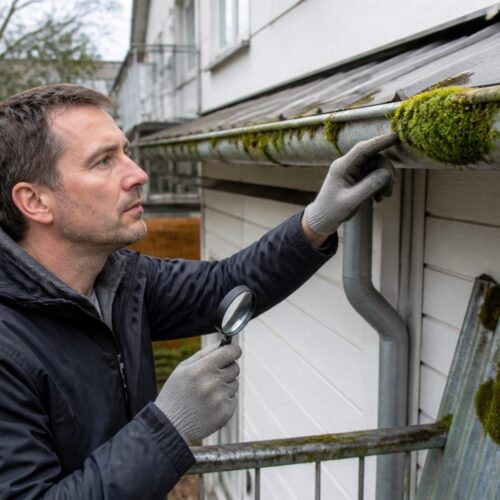
A thriving, green, and expanding moss colony suggests relatively good air quality or at least successful mitigation strategies. Conversely, if your moss starts to yellow, brown, or shrink despite proper care, it could be a sign of increased air pollution effects on moss urban conditions. These visual cues serve as an early warning system.
Look for specific changes in color and texture. Healthy moss should maintain its characteristic vibrant green or other natural coloration. A dull, grayish, or brownish hue often indicates stress, possibly from particulate matter buildup or chemical exposure. The surface might also appear crusty or brittle.
Observe the growth rate. If your moss is growing slowly or not expanding, even in ideal moisture and light conditions, pollution could be inhibiting its metabolism. Moss growth should be noticeable over time, especially in temperate climates.
Check for the presence of other organisms. A sudden increase in algae or certain fungi on your moss could signal a shift in nutrient availability, possibly due to nitrogen deposition from NOx pollution. These changes indicate an altered ecosystem that might be less favorable for moss.
Compare your moss to similar species in cleaner areas, if possible. This comparison can provide a baseline for what healthy moss of that type should look like. Any stark differences might point to localized pollution issues affecting your plants.
Keep a simple journal of your observations. Note the date, general appearance of the moss, any watering or cleaning performed, and any noticeable changes in local air quality (e.g., smoky days, heavy traffic). This record helps you track trends and identify potential correlations between air quality and moss health.
While your moss garden won’t provide scientific data like a professional air quality monitor, it offers a tangible, living indicator. It reinforces the connection between our urban environment and the delicate life within it. Your moss becomes a silent sentinel, reflecting the air you and it breathe.
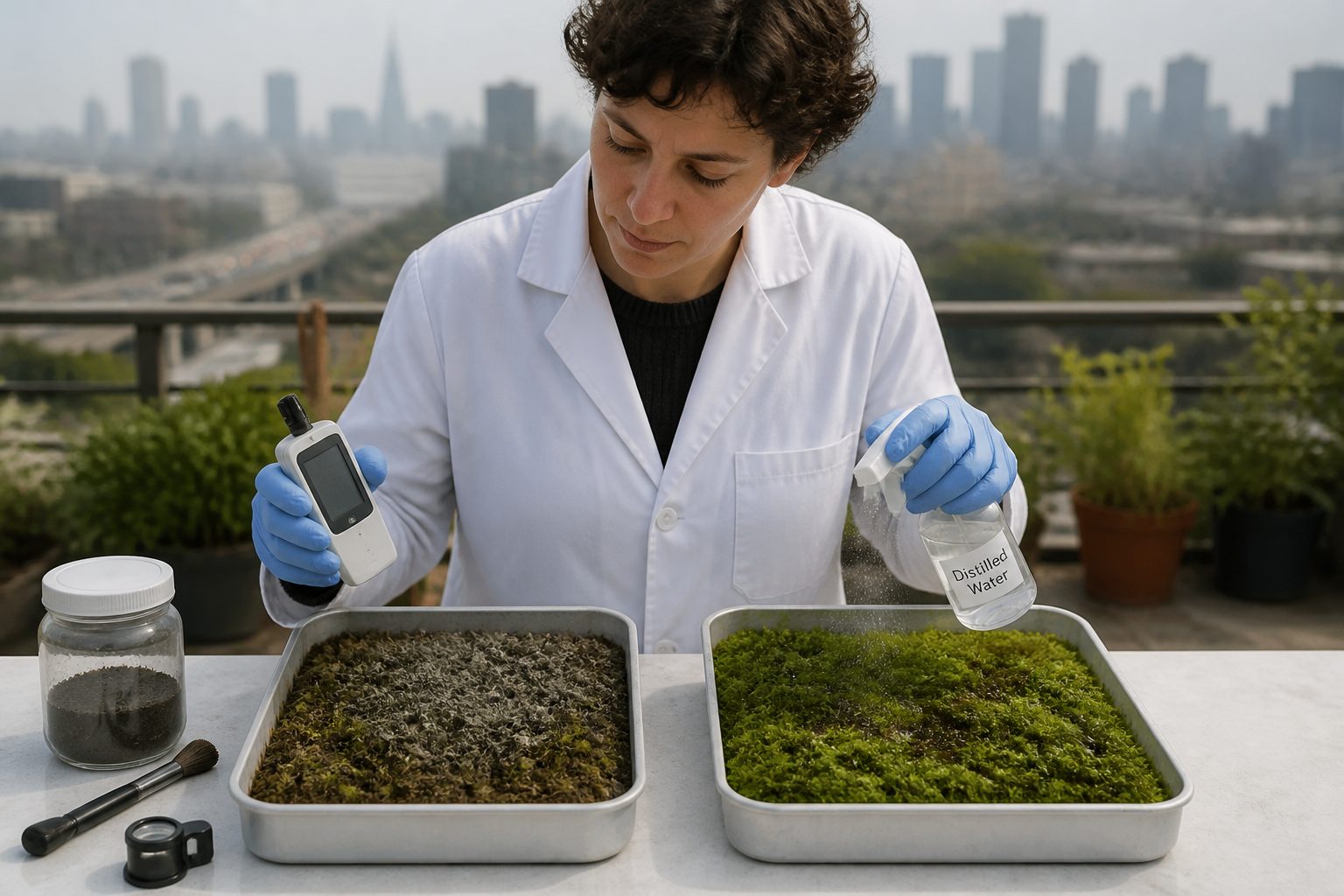
This informal monitoring also helps you understand the effectiveness of your own mitigation efforts, like rinsing or site selection. If your moss improves after implementing a new strategy, you know you are making a positive impact on its moss and pollution tolerance. It’s a continuous learning process for urban gardeners.
When to Give Up on a Location and Relocate
Despite your best efforts with species selection, site preparation, and diligent maintenance, some urban locations are simply too hostile for moss cultivation. Recognizing when to give up on a particular spot is a practical decision to save time and prevent repeated disappointment. There comes a point where air pollution effects on moss urban conditions are insurmountable.
If your moss consistently struggles, showing signs of severe stress like widespread browning, thinning, or complete die-back, despite consistent care, it’s a strong indicator. This suggests that the ambient levels of particulate matter moss growth or chemical pollutants are beyond the tolerance of even resilient species. Do not feel bad about making a change.
Consider the long-term trends in your observations. If your moss initially did well but then started declining without any obvious changes in your care routine, it might reflect a worsening of local urban air quality moss faces. Construction projects, increased traffic, or new industrial activity nearby can drastically alter the microenvironment.
Persistent issues with particulate buildup that cannot be effectively managed through regular rinsing are another red flag. If you find yourself constantly scrubbing heavy layers of grime, the pollution load is likely too high for the moss to thrive. Your efforts become a never-ending battle against overwhelming odds.
Sometimes, the problem isn’t just pollution but a combination of factors, including extreme heat, lack of humidity, or inadequate light. However, in heavily polluted areas, pollution often tips the balance, making other environmental stressors much harder for the moss to overcome. It becomes the straw that breaks the camel’s back.
Before giving up entirely, try relocating a small patch of moss to a different microclimate within your property. This “test patch” can quickly tell you if the issue is site-specific or if your general cultivation approach needs tweaking. A small experiment can save you from abandoning a larger project unnecessarily.
If a test patch in a seemingly better location also fails, it might be time to reconsider moss cultivation for that entire property or neighborhood. Some areas simply do not provide the foundational conditions, even for moss and pollution tolerance champions. It is a harsh truth of urban gardening.
Relocating your moss to a different part of your city, perhaps a quieter residential area or a park, could be the solution. Sometimes, a fresh start in a less polluted environment is all your moss needs to rebound. This might mean finding a friend’s garden or a community project in a greener zone.
Ultimately, your goal is to cultivate healthy moss, not to fight an impossible battle. There is no shame in admitting that a particular location is unsuitable. Learning from these experiences helps you become a more knowledgeable and effective urban bryophyte enthusiast. Your success lies in adapting to what the environment tells you.
Conclusion
Cultivating moss in an urban environment presents a unique set of challenges, primarily due to the pervasive air pollution effects on moss urban growth. Particulate matter and chemical pollutants like NOx directly interfere with moss physiology, making successful cultivation a careful balancing act. However, with the right strategies, you can absolutely create a thriving moss garden in the city.
By selecting pollution-tolerant species, choosing sheltered sites, implementing regular rinsing, and optimizing your substrate and moisture, you give your moss the best chance to flourish. These proactive measures directly address the issues of particulate matter moss growth and poor urban air quality moss often encounters. Your commitment to these methods makes all the difference.
Remember that your moss can also serve as a simple, living indicator of your local air quality, reflecting the environment you share. While some locations might prove too challenging, understanding when to adapt or even relocate is part of being a smart urban gardener. Embrace the resilience of moss and enjoy the green beauty it brings to your urban space.
Urban environments present unique challenges for cultivating moss, a group of resilient non-vascular plants known as bryophytes. While mosses often thrive in damp, shaded spots, city living introduces a significant hurdle: air pollution effects on moss urban growth. Particulate matter and airborne chemicals can drastically alter how these delicate plants survive and flourish.
Many urban gardeners and enthusiasts want to bring the calming presence of moss into their concrete surroundings. However, ignoring the impact of urban air quality moss faces can lead to disappointment and wasted effort. Understanding these challenges is the first step toward successful urban moss cultivation.
This article explores how air pollution specifically impacts moss, offers strategies to mitigate these negative effects, and helps you create a thriving moss garden even in polluted areas. We will look at specific moss and pollution tolerance, offering practical advice for your urban greening projects. You can absolutely grow moss in the city, but you need a smart approach.
How Particulates and NOx Affect Moss Physiology
Mosses lack true roots, absorbing water and nutrients directly through their leaves and stems from the atmosphere. This unique physiology makes them incredibly sensitive to airborne pollutants like particulate matter and nitrogen oxides (NOx). When these contaminants settle on moss, they don’t just sit there; they actively interfere with the plant’s essential functions.
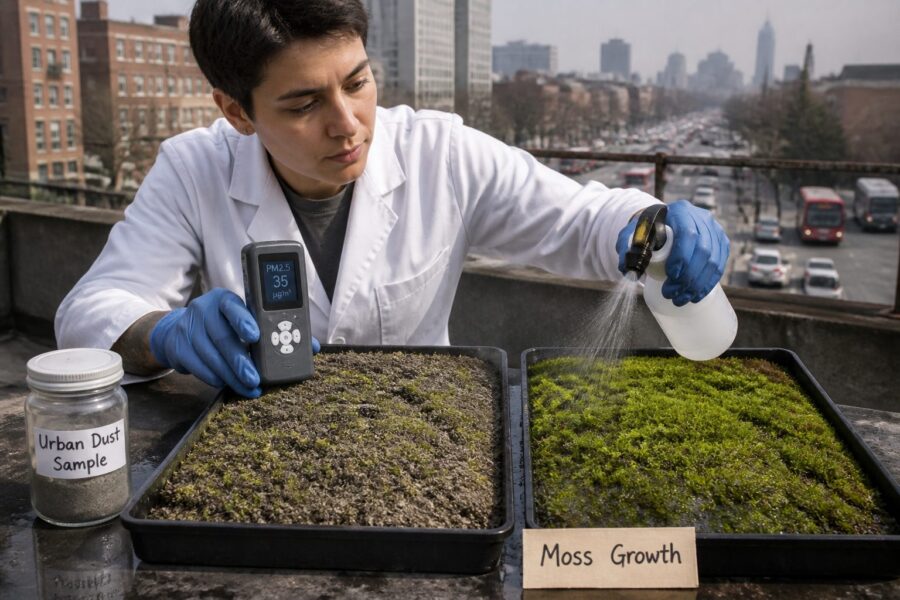
Particulate matter, often tiny soot particles from vehicle exhaust or industrial emissions, can physically block the moss’s surface. This physical barrier reduces the plant’s ability to photosynthesize effectively, much like a layer of dust on a solar panel. It also hinders the exchange of gases, slowing down respiration and overall metabolic processes.
Nitrogen oxides, released primarily from burning fossil fuels, dissolve in atmospheric moisture to form nitric acid. When this acidic rain or dew falls on moss, it can directly damage cell membranes and alter the pH balance on the moss surface. This makes the environment less hospitable for moss species that prefer slightly acidic or neutral conditions.
High concentrations of NOx can also lead to nitrogen overload, which sounds beneficial but is actually detrimental to many mosses. While some plants benefit from extra nitrogen, many bryophytes are adapted to nutrient-poor environments. Excess nitrogen can disrupt their delicate internal chemistry and encourage the growth of competing algae or weeds.
Furthermore, heavy metals, often found bound to particulate matter, can accumulate within moss tissues. These metals are toxic, interfering with enzyme activity and causing oxidative stress. Over time, this accumulation can lead to cell death and the eventual decline of the moss colony.
The combination of physical blockage, chemical damage, and nutrient imbalance creates a triple threat to urban moss populations. This explains why you often see fewer mosses in highly trafficked or industrial zones compared to quieter, cleaner areas of a city. Understanding these specific mechanisms helps us devise targeted strategies for urban moss cultivation.
Even seemingly minor particulate matter moss growth can become an issue over time. A thin, constant layer of grime on the moss surface adds up, slowly suffocating the plants. This is a battle of attrition for these resilient organisms, and we need to help them win.
Mosses in urban settings are essentially performing a constant balancing act against environmental stressors. Their lack of a protective cuticle, unlike many vascular plants, means they are directly exposed to whatever the air carries. This vulnerability is why mosses are often considered good bioindicators of air quality.
The overall urban air quality moss encounters dictates its survival. If the air is consistently loaded with pollutants, even the most tolerant species will struggle. We must acknowledge this fundamental challenge when planning any urban moss project.
Species With Higher Pollution Tolerance
Not all mosses react to urban air pollution effects on moss urban environments in the same way. Some species possess a natural resilience to higher levels of particulate matter and chemical exposure, making them better candidates for city cultivation. Selecting the right moss for your specific urban setting is a critical step for success.
These tougher mosses often have morphological or physiological adaptations that help them cope with stress. They might have denser growth habits, which can trap and shed pollutants more effectively, or cellular mechanisms to detoxify absorbed compounds. Identifying these species gives you a distinct advantage in the battle against urban grime.
| Moss Species | Common Name | Pollution Tolerance Level |
|---|---|---|
| Ceratodon purpureus | Red Shank Moss | High (Tolerates heavy metals, NOx) |
| Bryum argenteum | Silver Moss | High (Commonly found on urban pavements) |
| Funaria hygrometrica | Bonfire Moss | Medium-High (Pioneer species in disturbed areas) |
| Syntrichia ruralis | Star Moss | Medium (Tolerates some dry, exposed conditions) |
| Hypnum cupressiforme | Cypress-leaved Plait-moss | Medium (Can be found in moderately polluted areas) |
| Grimmia pulvinata | Hedgehog Grims | Medium-High (Often on walls and rocks) |
Site Selection to Minimize Pollution Exposure
Even with pollution-tolerant moss species, strategic site selection remains paramount for minimizing air pollution effects on moss urban growth. Where you choose to establish your moss garden can dramatically influence its long-term health and vigor. Thoughtful placement helps reduce the constant bombardment of airborne contaminants.
Avoid areas directly adjacent to busy roads, highways, or industrial zones. These locations experience the highest concentrations of particulate matter moss growth and NOx emissions. Even a few meters of distance can make a significant difference in the quality of the air reaching your mosses.
Look for sheltered spots, such as courtyards, interior walls of buildings, or areas partially protected by dense foliage from larger plants. These natural barriers can help intercept some airborne particles before they settle on your moss. The wind patterns around buildings can sometimes create cleaner microclimates.
Consider the prevailing wind direction in your area. If winds typically blow pollutants from a major source, try to locate your moss garden on the leeward side of a building or a natural windbreak. This simple observation can greatly reduce the direct impact of urban air quality moss faces.
Vertical surfaces, like walls, often accumulate less particulate matter than horizontal ones. If you are planning a moss wall, consider placing it on an elevated section or a wall facing away from the primary pollution source. Gravity helps shed some dust from vertical surfaces.
Areas with good air circulation but not direct exposure to strong, pollutant-laden winds are ideal. Stagnant air can sometimes trap pollutants, but overly exposed sites get a constant dose. It’s a delicate balance to strike for optimal moss and pollution tolerance.
Observe existing moss growth in your city. If you see mosses thriving naturally in certain urban pockets, those locations often provide clues about suitable microclimates. Mimicking these successful natural spots can guide your own site selection process.
Think about natural filtration. Proximity to trees or other vegetation can offer some protection, as these plants can trap pollutants on their own surfaces. A small, enclosed garden space with surrounding greenery often performs better than an open, exposed site.
Ultimately, choosing the right spot is about playing smart, not necessarily finding a perfectly pristine environment. It is about reducing the pollution load on your mosses as much as possible, giving them a better chance to survive and grow. This proactive approach sets the foundation for a healthy moss display.
Rinsing and Cleaning Strategies to Remove Dust Buildup
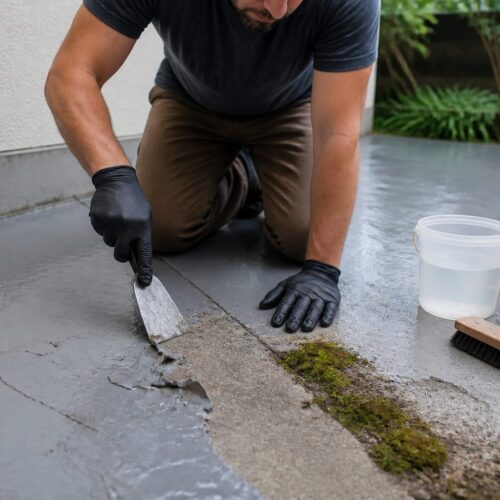
Even with careful site selection and pollution-tolerant species, urban moss will inevitably accumulate dust and particulate matter. Regular rinsing and cleaning are essential maintenance tasks to combat air pollution effects on moss urban installations. This simple intervention can dramatically improve the moss’s ability to photosynthesize and breathe.
Think of it like cleaning your windows; a clear surface allows light to pass through more effectively. For moss, removing the layer of grime directly impacts its energy production and overall vitality. This strategy is a direct way to manage particulate matter moss growth issues.
Use a gentle spray of clean, unchlorinated water to rinse your moss. A spray bottle set to a fine mist or a hose with a low-pressure nozzle works well. The goal is to wash away accumulated dust without dislodging the moss from its substrate.
Perform this rinsing periodically, perhaps once a week or bi-weekly, depending on your local air quality and the amount of visible dust buildup. In areas with heavy traffic or industrial activity, you might need to rinse more frequently. Observing your moss will tell you when it is time for a wash.
The best time to rinse is in the morning, allowing the moss to dry before nightfall. This minimizes the risk of fungal growth, which can occur if moss remains wet for too long in cool, dark conditions. Good timing supports both cleanliness and general moss health.
Avoid using harsh chemicals or detergents, as these can be extremely harmful to moss. Even mild soaps can strip away natural protective layers and disrupt the delicate microbial communities living on and around the moss. Stick to plain water for all your cleaning efforts.
For stubborn patches of grime, you can gently dab with a soft brush, like a clean paintbrush, while rinsing. Be incredibly careful not to abrade the moss surface or pull the plants up. This technique is for localized, heavy deposits, not for general cleaning.
Consider installing a drip irrigation system or a fine misting system if you have a large moss area. These systems can be programmed to provide regular, gentle rinses, making maintenance much easier and more consistent. Automation helps ensure your moss gets the cleaning it needs.
Regular cleaning is a non-negotiable part of urban moss cultivation, directly influencing urban air quality moss benefits. It ensures the moss can continue its natural functions, acting as a small but mighty air filter in your personal space. Your efforts in cleaning will be repaid with healthier, greener moss.
Substrate and Moisture Adjustments in High-Pollution Areas
Beyond selecting tolerant species and cleaning, adjusting the substrate and moisture regimen is crucial for mitigating air pollution effects on moss urban environments. The foundation on which your moss grows and how it receives water directly influence its ability to cope with pollutants. These adjustments provide a buffer against environmental stress.
In high-pollution areas, the substrate should offer excellent drainage while retaining enough moisture to help rinse away accumulated particulate matter moss growth. A substrate that drains well prevents pollutants from sitting on the moss for extended periods, allowing them to be flushed away with water. This balance is key for moss and pollution tolerance.
- Use well-draining, slightly acidic substrates
- Incorporate inert materials like sand or small gravel
- Ensure substrates are free of heavy metals
- Maintain consistent, but not waterlogged, moisture
- Consider raised beds or containers for better control
- Use rainwater or filtered water for irrigation
- Avoid highly alkaline substrates that can react with acid rain
Monitoring Moss Health as an Informal Air Quality Indicator
Mosses are often called “bioindicators” because their health and presence can reflect the surrounding environmental conditions, especially urban air quality moss experiences. By regularly observing your urban moss garden, you can gain informal insights into local air pollution levels. This personal monitoring offers a real-time, low-tech way to assess your environment.
A thriving, green, and expanding moss colony suggests relatively good air quality or at least successful mitigation strategies. Conversely, if your moss starts to yellow, brown, or shrink despite proper care, it could be a sign of increased air pollution effects on moss urban conditions. These visual cues serve as an early warning system.
Look for specific changes in color and texture. Healthy moss should maintain its characteristic vibrant green or other natural coloration. A dull, grayish, or brownish hue often indicates stress, possibly from particulate matter buildup or chemical exposure. The surface might also appear crusty or brittle.
Observe the growth rate. If your moss is growing slowly or not expanding, even in ideal moisture and light conditions, pollution could be inhibiting its metabolism. Moss growth should be noticeable over time, especially in temperate climates.
Check for the presence of other organisms. A sudden increase in algae or certain fungi on your moss could signal a shift in nutrient availability, possibly due to nitrogen deposition from NOx pollution. These changes indicate an altered ecosystem that might be less favorable for moss.
Compare your moss to similar species in cleaner areas, if possible. This comparison can provide a baseline for what healthy moss of that type should look like. Any stark differences might point to localized pollution issues affecting your plants.
Keep a simple journal of your observations. Note the date, general appearance of the moss, any watering or cleaning performed, and any noticeable changes in local air quality (e.g., smoky days, heavy traffic). This record helps you track trends and identify potential correlations between air quality and moss health.
While your moss garden won’t provide scientific data like a professional air quality monitor, it offers a tangible, living indicator. It reinforces the connection between our urban environment and the delicate life within it. Your moss becomes a silent sentinel, reflecting the air you and it breathe.
This informal monitoring also helps you understand the effectiveness of your own mitigation efforts, like rinsing or site selection. If your moss improves after implementing a new strategy, you know you are making a positive impact on its moss and pollution tolerance. It’s a continuous learning process for urban gardeners.
When to Give Up on a Location and Relocate
Despite your best efforts with species selection, site preparation, and diligent maintenance, some urban locations are simply too hostile for moss cultivation. Recognizing when to give up on a particular spot is a practical decision to save time and prevent repeated disappointment. There comes a point where air pollution effects on moss urban conditions are insurmountable.
If your moss consistently struggles, showing signs of severe stress like widespread browning, thinning, or complete die-back, despite consistent care, it’s a strong indicator. This suggests that the ambient levels of particulate matter moss growth or chemical pollutants are beyond the tolerance of even resilient species. Do not feel bad about making a change.
Consider the long-term trends in your observations. If your moss initially did well but then started declining without any obvious changes in your care routine, it might reflect a worsening of local urban air quality moss faces. Construction projects, increased traffic, or new industrial activity nearby can drastically alter the microenvironment.
Persistent issues with particulate buildup that cannot be effectively managed through regular rinsing are another red flag. If you find yourself constantly scrubbing heavy layers of grime, the pollution load is likely too high for the moss to thrive. Your efforts become a never-ending battle against overwhelming odds.
Sometimes, the problem isn’t just pollution but a combination of factors, including extreme heat, lack of humidity, or inadequate light. However, in heavily polluted areas, pollution often tips the balance, making other environmental stressors much harder for the moss to overcome. It becomes the straw that breaks the camel’s back.
Before giving up entirely, try relocating a small patch of moss to a different microclimate within your property. This “test patch” can quickly tell you if the issue is site-specific or if your general cultivation approach needs tweaking. A small experiment can save you from abandoning a larger project unnecessarily.
If a test patch in a seemingly better location also fails, it might be time to reconsider moss cultivation for that entire property or neighborhood. Some areas simply do not provide the foundational conditions, even for moss and pollution tolerance champions. It is a harsh truth of urban gardening.
Relocating your moss to a different part of your city, perhaps a quieter residential area or a park, could be the solution. Sometimes, a fresh start in a less polluted environment is all your moss needs to rebound. This might mean finding a friend’s garden or a community project in a greener zone.
Ultimately, your goal is to cultivate healthy moss, not to fight an impossible battle. There is no shame in admitting that a particular location is unsuitable. Learning from these experiences helps you become a more knowledgeable and effective urban bryophyte enthusiast. Your success lies in adapting to what the environment tells you.
Conclusion
Cultivating moss in an urban environment presents a unique set of challenges, primarily due to the pervasive air pollution effects on moss urban growth. Particulate matter and chemical pollutants like NOx directly interfere with moss physiology, making successful cultivation a careful balancing act. However, with the right strategies, you can absolutely create a thriving moss garden in the city.
By selecting pollution-tolerant species, choosing sheltered sites, implementing regular rinsing, and optimizing your substrate and moisture, you give your moss the best chance to flourish. These proactive measures directly address the issues of particulate matter moss growth and poor urban air quality moss often encounters. Your commitment to these methods makes all the difference.
Remember that your moss can also serve as a simple, living indicator of your local air quality, reflecting the environment you share. While some locations might prove too challenging, understanding when to adapt or even relocate is part of being a smart urban gardener. Embrace the resilience of moss and enjoy the green beauty it brings to your urban space.